

Washers are those small, unsung heroes in the world of engineering and construction. You might not give them much thought, but they play a crucial role in preventing corrosion. As a washer supplier, I've seen firsthand how these little components can make a big difference. So, let's dive into how washers prevent corrosion.
What is Corrosion?
Before we get into how washers prevent corrosion, let's quickly understand what corrosion is. Corrosion is basically the deterioration of a material, usually a metal, due to a chemical reaction with its environment. It can be caused by things like moisture, oxygen, and chemicals. When metal corrodes, it can weaken the structure, reduce its lifespan, and even cause it to fail.
How Washers Come into Play
Washers act as a barrier between different metal surfaces. When two metal parts are joined together, there's often a risk of galvanic corrosion. This happens when two different metals come into contact in the presence of an electrolyte, like water. The more reactive metal corrodes faster, and this can lead to serious problems.
Washers made from non - conductive materials, such as plastic or rubber, can break the electrical connection between the two metals. This stops the flow of electrons that causes galvanic corrosion. For example, if you're using a steel bolt and an aluminum part, a plastic washer between them can prevent the steel from corroding the aluminum.
Types of Washers and Their Anti - Corrosion Properties
Precision Flat Washers
Precision Flat Washers are one of the most common types of washers. They are usually made from materials like stainless steel, which is highly resistant to corrosion. Stainless steel contains chromium, which forms a thin, protective oxide layer on the surface. This layer prevents oxygen and moisture from reaching the metal underneath, thus preventing corrosion.
These washers are also very flat and even, which means they distribute the load evenly across the surface. This reduces the stress on the metal parts, and less stress means less chance of corrosion. When the load is evenly distributed, there are no areas of high stress that can lead to cracks or crevices where corrosion can start.
Shaft Retaining Rings
Shaft Retaining Rings are used to hold components on a shaft. They are often made from materials that are resistant to corrosion, such as spring steel or stainless steel. These materials can withstand the harsh conditions they are exposed to, like high temperatures and moisture.
The design of shaft retaining rings also helps prevent corrosion. They are designed to fit tightly around the shaft, which creates a seal. This seal keeps out moisture and other corrosive substances. By preventing these substances from reaching the metal surface, the rings help to extend the life of the shaft and the components it holds.
Safety Lock Washers
Safety Lock Washers are another type of washer that can prevent corrosion. These washers have teeth or serrations that bite into the surface of the metal. This not only helps to prevent the washer from loosening but also creates a barrier against corrosion.
The teeth of the safety lock washer can break up any moisture or electrolyte that tries to reach the metal surface. They also increase the surface area of contact between the washer and the metal, which can help to distribute the load more evenly. This reduces the risk of corrosion due to stress concentration.
Surface Treatments
In addition to the material of the washer, surface treatments can also play a big role in preventing corrosion. Many washers are coated with a protective layer, such as zinc or nickel. These coatings act as a sacrificial layer, which means they corrode first before the underlying metal.
Zinc coatings are very popular because they are relatively inexpensive and provide good corrosion protection. When the zinc coating is exposed to the environment, it forms a layer of zinc oxide, which is a very stable compound. This layer protects the underlying metal from further corrosion.
Nickel coatings are also used, especially in applications where a high - level of corrosion resistance is required. Nickel is a very inert metal, which means it doesn't react easily with other substances. A nickel - coated washer can provide long - term protection against corrosion, even in harsh environments.
Installation and Maintenance
Proper installation and maintenance are also important for preventing corrosion. When installing washers, it's important to make sure they are clean and free of any dirt or debris. Dirt and debris can trap moisture and create a corrosive environment.
It's also important to use the right type of washer for the application. Using the wrong washer can lead to problems, such as improper load distribution or a lack of corrosion protection. For example, if you're using a washer in a high - moisture environment, you should choose a washer made from a corrosion - resistant material or one with a protective coating.
Regular maintenance is also crucial. Inspecting the washers periodically can help you detect any signs of corrosion early. If you notice any corrosion, you can replace the washer before it causes any serious damage.
Conclusion
Washers are an essential part of any engineering or construction project. They not only help to distribute the load and prevent loosening but also play a vital role in preventing corrosion. By choosing the right type of washer, using proper surface treatments, and following good installation and maintenance practices, you can ensure that your metal components last longer and perform better.
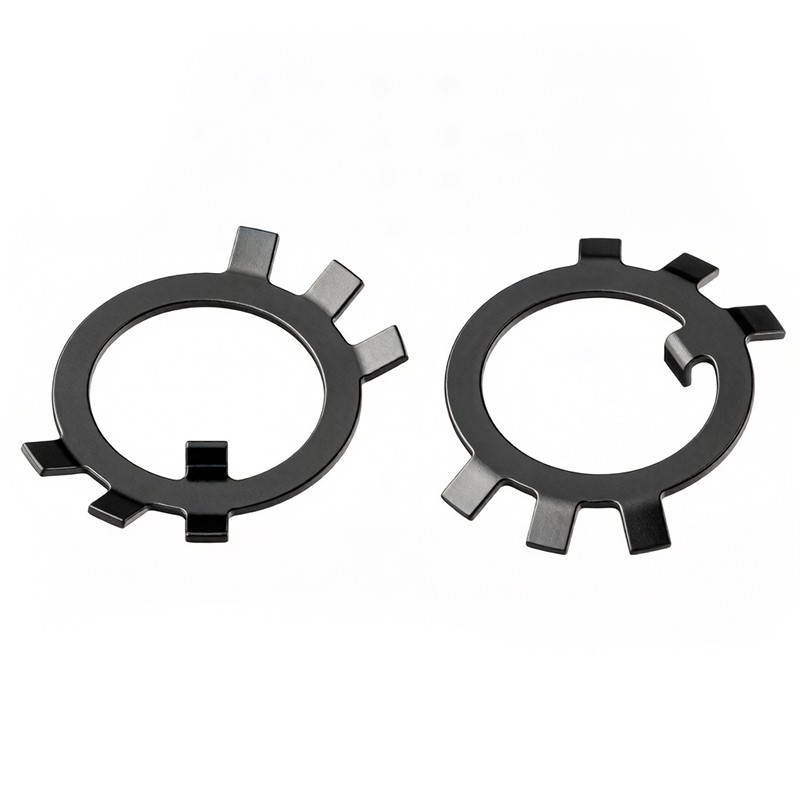

If you're in the market for high - quality washers that can prevent corrosion, we're here to help. Whether you need Precision Flat Washers, Shaft Retaining Rings, or Safety Lock Washers, we have a wide range of options to meet your needs. Contact us to discuss your requirements and start a procurement conversation.
References
- "Corrosion Basics" by the National Association of Corrosion Engineers
- "Handbook of Materials Selection" by Michael F. Ashby
