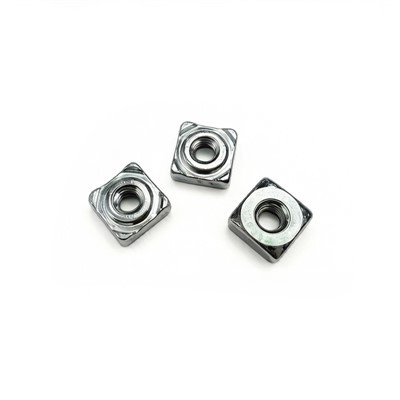
Weldnut
We weld an M6 hex weldnut on a 1.5 mm thick SPCC steel sheet. We follow AWS C1.1 for torque testing. The break torque is ≥25 N·m. The failure mode is sheet tearing or thread stripping, not weld spot
Add to Inquiry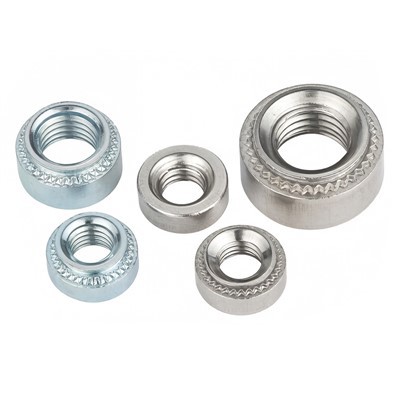
Multi Grip Rivet Nut
We take an M5 stainless steel rivet nut as an example. We press it into a 1.5 mm thick SPCC steel sheet. The needed press force is about 3-5 kN. After installation, the push-out force is ≥200 N. The
Add to Inquiry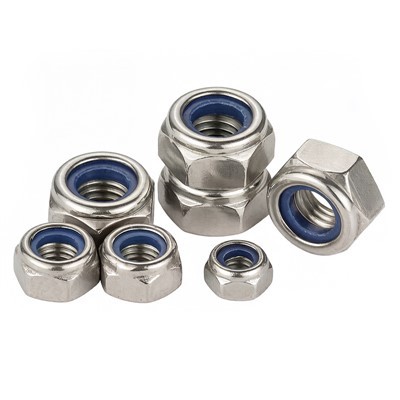
High Temp Nylon Lock Nuts
We follow ISO 16130 for transverse vibration testing. Take an M10 nylon lock nut as an example. After 2000 vibration cycles, the residual clamp force stays at ≥75%. A regular nut stays below 20%. The
Add to Inquiry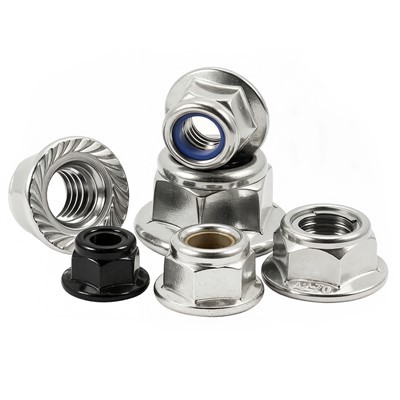
Flange Lock Nut
We follow ISO 16130 for transverse vibration testing. Take an M10 flange lock nut as an example. After 3000 vibration cycles, the residual clamp force is ≥80%. This is even better than a nylon lock
Add to Inquiry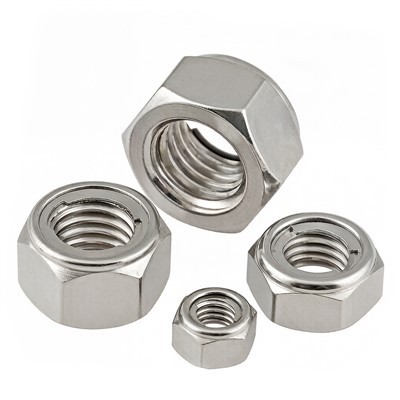
Metal Lock Nut
We follow ISO 16130 for transverse vibration testing. Take an M10 metal lock nut as an example. After 4000 vibration cycles, the residual clamp force stays at ≥75%. The locking performance is close
Add to Inquiry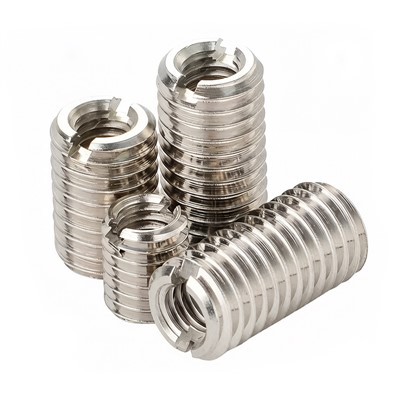
Threaded Screw Sleeve
After you install our screw sleeve, the inner thread strength returns to 100% of the original design. In aluminum or stainless steel, the sleeve thread is even stronger than the base metal. The
Add to Inquiry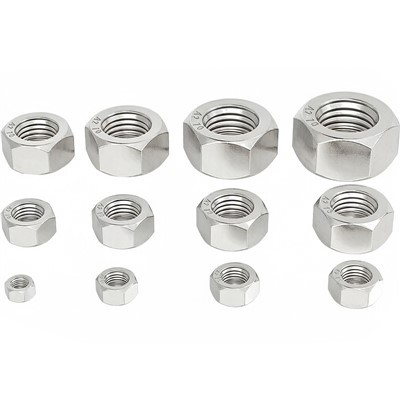
Hex Nuts
We take an M10, grade 8 carbon steel nut as an example. The proof load is ≥42 kN. The hardness range is HV 150-250. This follows ISO 898-2. The width across flats meets ISO 4014. It fits standard
Add to Inquiry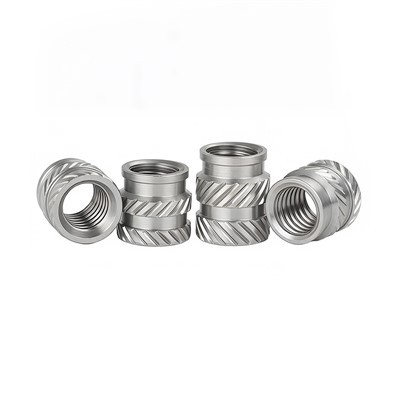
Threaded Heat Set Inserts
We take an M5 brass heat set insert in ABS plastic (8 mm hole depth) as an example. We follow UL 746C for testing. The axial pull-out force is ≥600 N. The torque-out force is ≥3.5 N·m. This is much
Add to Inquiry