

When it comes to ensuring a secure and leak - proof connection between hoses and fittings, choosing the right quality hose clamps is of utmost importance. As a supplier of Quality Hose Clamps, I've witnessed firsthand the impact that a well - selected hose clamp can have on the performance and longevity of a system. In this blog post, I'll share some key factors to consider when choosing quality hose clamps.
Material Matters
The material of a hose clamp is one of the most critical factors. Different materials offer varying degrees of strength, corrosion resistance, and durability.
- Stainless Steel: This is a popular choice for many applications. Stainless steel hose clamps are highly resistant to corrosion, making them ideal for use in wet or humid environments, such as in marine applications or in industrial settings where exposure to chemicals is possible. They also have good tensile strength, which means they can withstand high levels of pressure without breaking. For example, in a water treatment plant, stainless steel hose clamps can be used to connect hoses carrying treated water, providing a long - lasting and reliable connection.
- Galvanized Steel: Galvanized steel hose clamps are coated with a layer of zinc to prevent corrosion. They are more affordable than stainless steel clamps and are suitable for general - purpose applications where the risk of corrosion is relatively low. For instance, in a home garden irrigation system, galvanized steel clamps can be used to connect hoses to sprinklers or valves.
- Plastic: Plastic hose clamps are lightweight and corrosion - resistant. They are often used in low - pressure applications, such as in automotive interior plumbing or in some consumer products. They are also non - conductive, which can be an advantage in certain electrical or electronic systems.
Type of Hose Clamps
There are several types of hose clamps available on the market, each designed for specific applications.
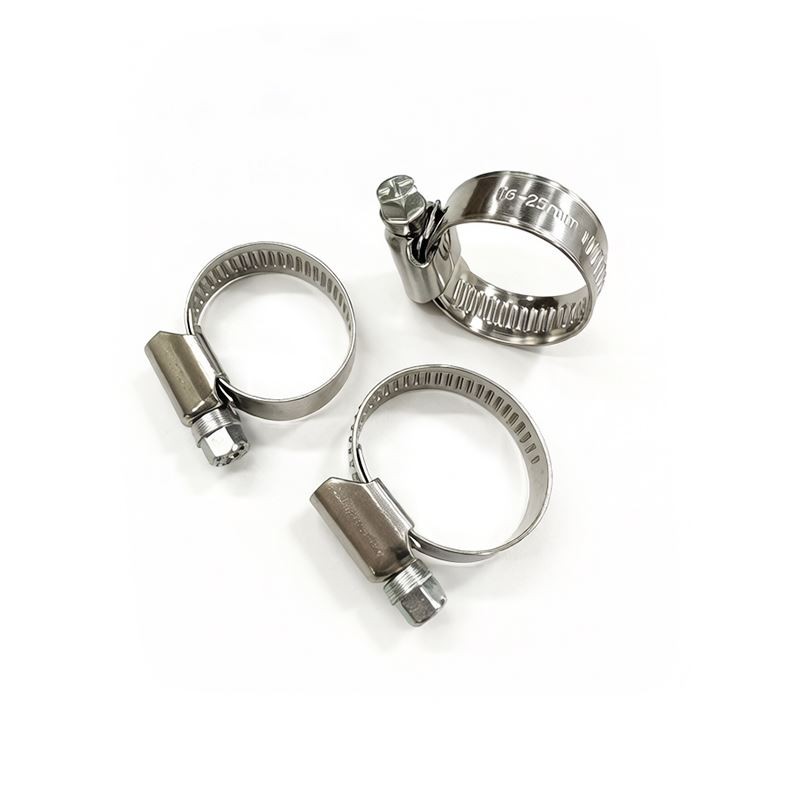
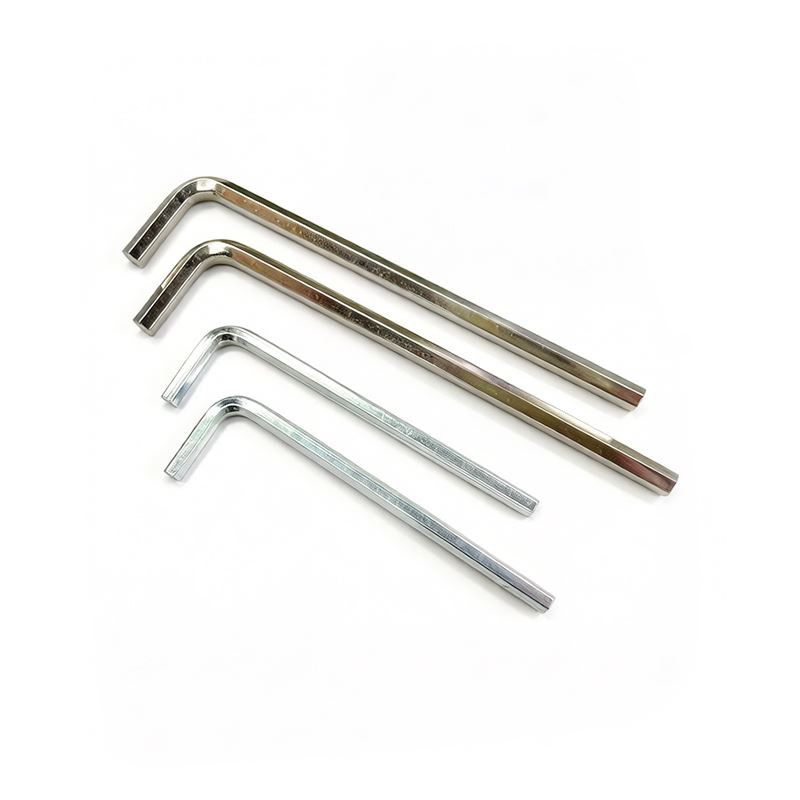
- Worm Gear Clamps: These are the most common type of hose clamps. They consist of a band with a helical thread and a screw mechanism. The screw can be tightened to reduce the diameter of the band, creating a secure connection. Worm gear clamps are versatile and can be used on a wide range of hose sizes. They are easy to install using a simple Hex L - shaped Wrench. For example, in an automotive engine, worm gear clamps are used to secure radiator hoses to the engine block.
- Spring Clamps: Spring clamps are self - tightening and rely on the spring tension to hold the hose in place. They are quick and easy to install and remove, making them suitable for applications where frequent disassembly is required. However, they may not be as suitable for high - pressure applications. An example of their use is in some air intake systems in vehicles.
- Constant - Tension Clamps: These clamps are designed to maintain a consistent level of tension over time, even as the hose expands and contracts due to temperature changes or pressure fluctuations. They are often used in critical applications where a reliable, leak - proof connection is essential, such as in the fuel systems of aircraft or high - performance engines.
Size of the Hose Clamps
Selecting the correct size of hose clamp is crucial for a proper fit. A clamp that is too small will not be able to fit around the hose, while a clamp that is too large will not provide a secure connection.
- Inner Diameter: The inner diameter of the hose clamp should match the outer diameter of the hose. It's important to measure the hose accurately before selecting a clamp. In some cases, hoses may have a non - standard size, and it may be necessary to use a custom - sized clamp.
- Band Width: The band width of the hose clamp also matters. A wider band provides more contact area with the hose, which can result in a more secure connection, especially for larger hoses or in high - pressure applications.
Application - Specific Requirements
Different applications have different requirements for hose clamps.
- Temperature: In high - temperature applications, such as in industrial furnaces or automotive exhaust systems, the hose clamp must be able to withstand the heat without losing its strength or shape. High - temperature - resistant materials, such as stainless steel alloys, are often used in these cases.
- Pressure: For high - pressure applications, like hydraulic systems or industrial pipelines, the hose clamp must be able to withstand the pressure without leaking. Constant - tension clamps or high - strength worm gear clamps are typically used in such scenarios.
- Environment: If the hose clamp is going to be used in a harsh environment, such as in a chemical plant or in saltwater, the material of the clamp must be resistant to the specific chemicals or corrosion agents present. For example, in a saltwater aquarium, a stainless steel hose clamp would be a better choice than a galvanized steel one.
Quality and Certification
When choosing hose clamps, it's important to ensure that they meet the required quality standards.
- Manufacturing Quality: Look for clamps that are well - made, with smooth edges and a uniform finish. The screw or spring mechanism should operate smoothly, without any signs of binding or wear.
- Certifications: Some industries may require hose clamps to meet certain certifications, such as ISO standards or industry - specific safety standards. For example, in the food and beverage industry, hose clamps may need to be made from food - grade materials and meet the relevant hygiene standards.
Compatibility with Other Components
The hose clamp should be compatible with the other components in the system, such as the hose itself and the fitting.
- Hose Material: Different hose materials have different properties, and the hose clamp should be able to provide a secure connection without damaging the hose. For example, a soft rubber hose may require a clamp with a smooth inner surface to prevent crushing.
- Fitting Design: The type of fitting being used can also affect the choice of hose clamp. Some fittings may require a specific type of clamp or a certain size of the clamp to ensure a proper connection.
Cost - Benefit Analysis
While it's important to consider the quality of the hose clamps, cost is also a factor. However, it's not always advisable to choose the cheapest option.
- Long - Term Costs: A high - quality hose clamp may cost more initially but can save money in the long run by reducing the risk of leaks, failures, and the need for frequent replacements. For example, in a large industrial plant, using low - quality hose clamps may lead to costly downtime and repairs.
- Value for Money: Look for hose clamps that offer a good balance between quality and cost. Consider the specific requirements of your application and choose a clamp that meets those requirements at a reasonable price.
In conclusion, choosing quality hose clamps requires careful consideration of several factors, including material, type, size, application - specific requirements, quality, compatibility, and cost - benefit. As a supplier of Quality Hose Clamps, we are committed to providing our customers with a wide range of high - quality hose clamps that meet the diverse needs of different industries and applications. If you have any questions about choosing the right hose clamps for your project or are interested in purchasing our products, please feel free to contact us for further discussion and procurement negotiation.
References
- ASME B31.1 Power Piping Code
- ASTM Standards for Metals and Plastics
- ISO 9001 Quality Management System Standards
