

Hey there! As a supplier of turned precision parts, I often get asked about the difference between turned precision parts and non - precision turned parts. So, I thought I'd break it down for you in this blog post.
Let's start with the basics. Turning is a machining process where a cutting tool is used to remove material from a rotating workpiece. It's a common method for creating cylindrical parts. But when we talk about precision and non - precision turned parts, there are some key differences that set them apart.
Tolerance
One of the most significant differences between precision and non - precision turned parts is tolerance. Tolerance refers to the allowable deviation from a specified dimension. In precision turning, we're talking about extremely tight tolerances. For example, we might be looking at tolerances in the range of a few micrometers. This level of precision is crucial in industries like aerospace, medical, and automotive, where even the slightest deviation can lead to malfunction or failure.
On the other hand, non - precision turned parts have looser tolerances. These parts are typically used in applications where a high degree of accuracy isn't necessary. For instance, in some consumer products or basic machinery, a looser tolerance is acceptable. This allows for a more cost - effective manufacturing process, as less time and effort are spent on achieving a high level of precision.
Surface Finish
Surface finish is another area where precision and non - precision turned parts differ. Precision turned parts usually have a very smooth surface finish. This is achieved through careful machining processes and the use of high - quality cutting tools. A smooth surface finish is important for several reasons. It can reduce friction, improve the part's durability, and enhance its aesthetic appeal.
Non - precision turned parts, on the other hand, may have a rougher surface finish. This is because less attention is paid to achieving a smooth surface. While a rough surface finish might not be a problem for some applications, it can be a deal - breaker in others. For example, in a medical device, a rough surface could harbor bacteria or cause irritation.
Material Selection
The choice of material also varies between precision and non - precision turned parts. Precision turned parts often require high - quality materials that can withstand the demands of tight tolerances and smooth surface finishes. Materials like stainless steel, titanium, and brass are commonly used in precision turning. These materials offer excellent strength, corrosion resistance, and machinability.
Non - precision turned parts can be made from a wider range of materials, including lower - grade metals and plastics. These materials are often chosen for their cost - effectiveness rather than their high performance. For example, in some consumer products, a plastic part might be sufficient, as long as it meets the basic functional requirements.
Applications
The applications of precision and non - precision turned parts are quite different. Precision turned parts are used in high - tech industries where reliability and accuracy are paramount. For example, in the aerospace industry, precision turned parts are used in engines, landing gear, and navigation systems. In the medical field, they're used in surgical instruments, implants, and diagnostic equipment.
Non - precision turned parts, on the other hand, are used in more general applications. They can be found in everyday consumer products like toys, household appliances, and furniture. These parts don't require the same level of precision as their high - tech counterparts, but they still play an important role in our daily lives.
Cost
Cost is a major factor when it comes to precision and non - precision turned parts. Precision turned parts are generally more expensive to produce. This is because they require more advanced machinery, skilled labor, and high - quality materials. The tight tolerances and smooth surface finishes also add to the cost, as they require more time and effort to achieve.
Non - precision turned parts, on the other hand, are more cost - effective. They can be produced using less advanced machinery and less skilled labor. The looser tolerances and rougher surface finishes also reduce the production time and cost.
Examples of Precision and Non - Precision Turned Parts
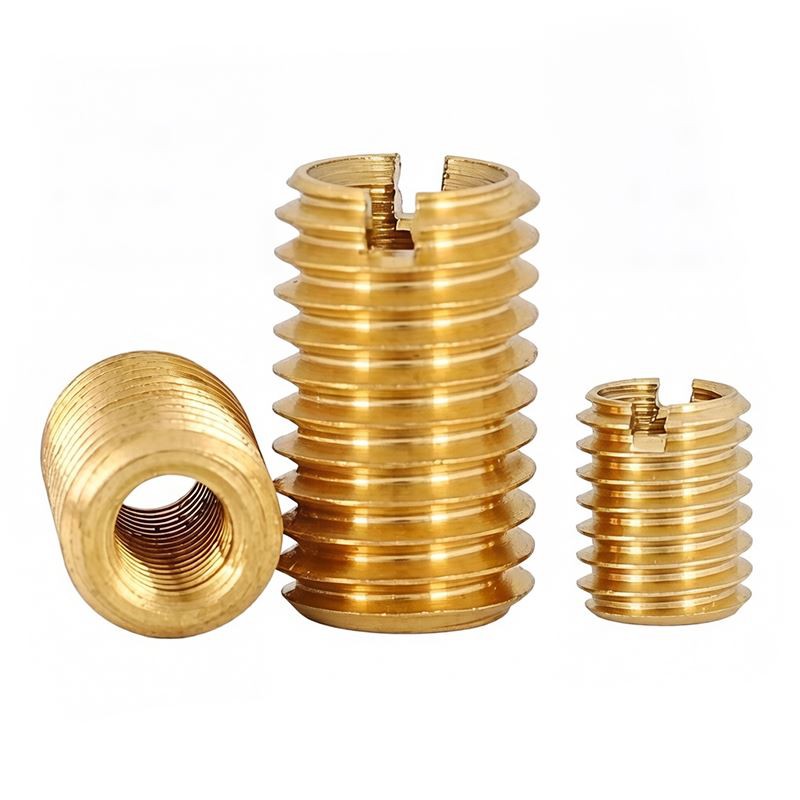
Let's take a look at some specific examples. For precision turned parts, we have Internal and External Threaded Copper Nut. These nuts are used in applications where a high level of precision is required, such as in electronic devices and automotive engines. The threads need to be extremely accurate to ensure a proper fit and function.
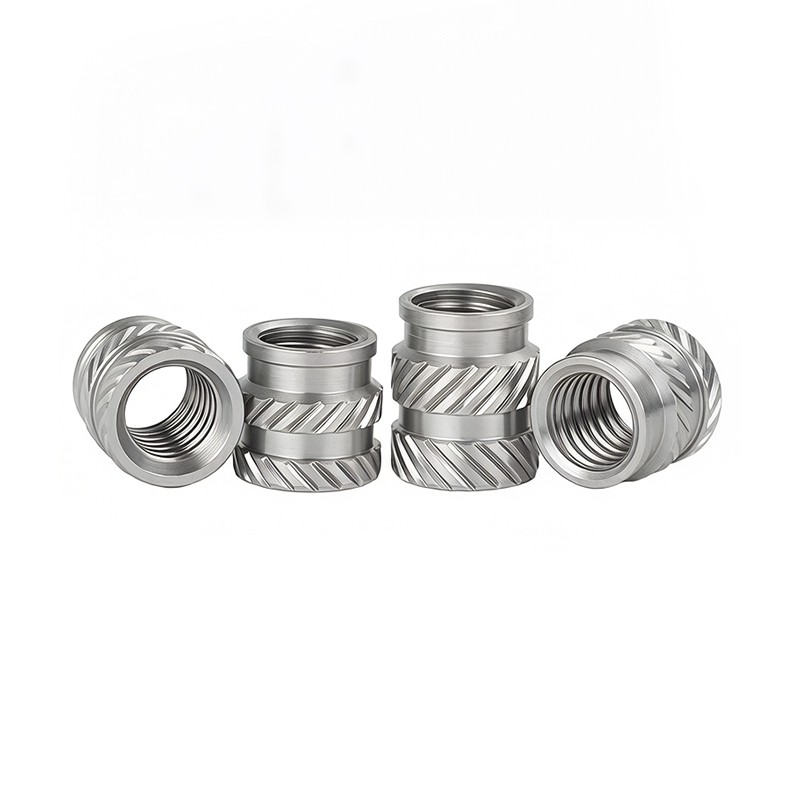
Another example of a precision turned part is the Hot Melt Embossed Nut. These nuts are used in applications where a strong and precise connection is needed. The embossing adds an extra level of precision and strength to the nut.
For non - precision turned parts, we have the Drilled Shaft. This is a simple part that can be used in a variety of applications, such as in basic machinery or construction. The tolerances for a drilled shaft are usually looser, as the part doesn't need to be extremely precise.
Why Choose Precision Turned Parts
So, why would you choose precision turned parts over non - precision ones? Well, if you're in an industry where reliability and accuracy are crucial, precision turned parts are the way to go. They offer a higher level of quality and performance, which can lead to better product reliability and fewer failures.
In addition, precision turned parts can often be customized to meet specific requirements. This means that you can get a part that is exactly what you need, rather than having to settle for a standard part that may not fit your application perfectly.
Contact for Procurement
If you're in the market for turned precision parts, I'd love to have a chat with you. Whether you need a small batch of custom parts or a large - scale production run, I've got the expertise and resources to meet your needs. Don't hesitate to reach out and start a conversation about your procurement requirements.
References
- "Machining Fundamentals" by John Doe
- "Precision Manufacturing Handbook" by Jane Smith
