

When delving into the realm of medical device manufacturing, one often encounters a multitude of components that play crucial roles in ensuring the device's functionality, safety, and reliability. Among these components, washers might seem like simple, unassuming parts, but their significance cannot be underestimated. As a washer supplier, I am frequently asked the question: "Can I use washers in a medical device?" In this blog post, I will explore this question in detail, considering various aspects such as the types of washers, their functions, and the regulatory requirements associated with using washers in medical devices.
Types of Washers and Their Functions
Washers come in a wide variety of types, each designed for specific applications. Some of the most common types of washers include flat washers, spring washers, lock washers, and retaining rings.
Flat washers are perhaps the most basic type of washer. They are typically used to distribute the load of a fastener over a larger area, preventing damage to the surface of the material being fastened. In medical devices, flat washers can be used to secure components such as sensors, connectors, and covers.
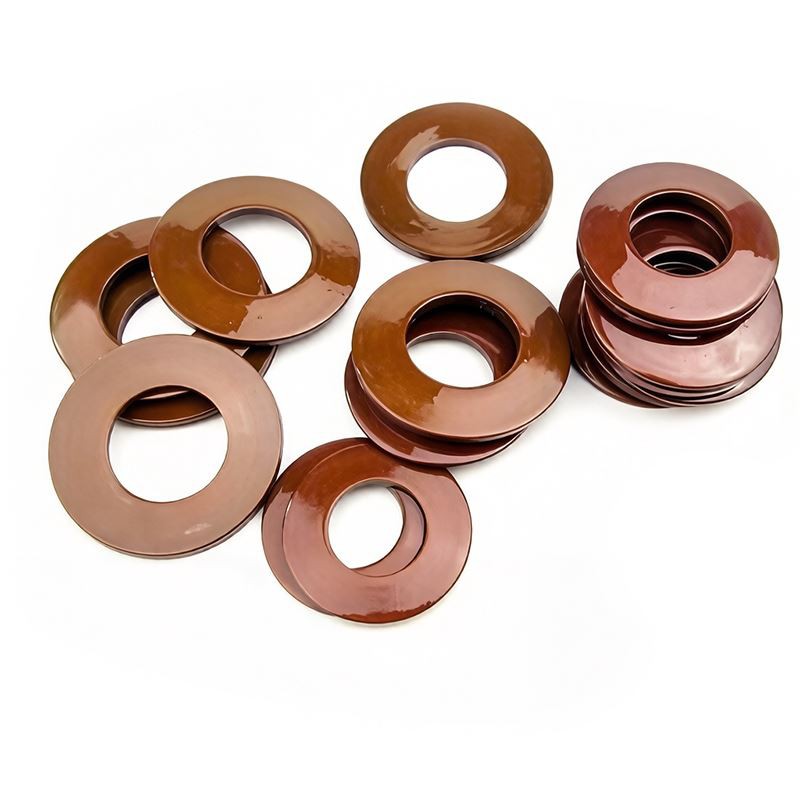
Spring washers, on the other hand, are designed to provide a spring force that helps to maintain the tension of a fastener. This can be particularly useful in applications where vibration or movement might cause the fastener to loosen over time. For example, in a medical device that is subject to frequent movement or vibration, a spring washer can help to ensure that the fasteners remain tight and secure.
Lock washers, such as Safety Lock Washer, are specifically designed to prevent fasteners from loosening due to vibration or other external forces. They typically have a unique design that creates a locking action when the fastener is tightened. This can be crucial in medical devices, where the integrity of the fasteners is essential for the proper functioning and safety of the device.
Shaft Retaining Rings are used to secure components on a shaft. They are often used in medical devices to hold bearings, gears, or other rotating components in place. Retaining rings come in various types, including internal and external rings, and can be installed using specialized tools.
Considerations for Using Washers in Medical Devices
When considering using washers in a medical device, there are several important factors to take into account.
Material Selection
The material of the washer is a critical consideration. In medical applications, the washer must be made of a material that is biocompatible, meaning it does not cause an adverse reaction when in contact with the human body. Common materials used for medical washers include stainless steel, titanium, and certain plastics. These materials are chosen for their corrosion resistance, strength, and biocompatibility.
Regulatory Compliance
Medical devices are subject to strict regulatory requirements to ensure their safety and effectiveness. When using washers in a medical device, it is essential to ensure that the washers comply with the relevant regulations. This may include requirements for material composition, manufacturing processes, and quality control. For example, in the United States, medical devices are regulated by the Food and Drug Administration (FDA), and washers used in medical devices must meet the FDA's standards for biocompatibility and other safety requirements.
Design and Functionality
The design and functionality of the washer must be carefully considered to ensure that it meets the specific requirements of the medical device. For example, the size and shape of the washer must be appropriate for the application, and it must be able to withstand the forces and stresses that it will be subjected to during use. Additionally, the washer must be designed in such a way that it does not interfere with the operation of the medical device or pose a risk to the patient.
Benefits of Using Washers in Medical Devices
Despite the challenges and considerations associated with using washers in medical devices, there are several significant benefits.
Improved Safety
Washers can help to improve the safety of medical devices by ensuring that fasteners remain tight and secure. This can prevent components from coming loose during use, which could potentially lead to malfunctions or even harm to the patient.
Enhanced Reliability
By providing a stable and secure connection, washers can enhance the reliability of medical devices. This can reduce the risk of device failure and improve the overall performance of the device.
Cost-Effectiveness
Washers are relatively inexpensive components that can provide significant benefits in terms of safety and reliability. By using washers in medical devices, manufacturers can often achieve a higher level of quality and performance at a lower cost.
Case Studies
To illustrate the importance of using washers in medical devices, let's consider a few case studies.
Case Study 1: A Surgical Instrument
A surgical instrument manufacturer was experiencing issues with the fasteners on one of their instruments coming loose during use. This was causing the instrument to malfunction and potentially putting patients at risk. After consulting with a washer supplier, the manufacturer decided to use Safety Lock Washers to secure the fasteners. The use of these washers significantly improved the reliability of the instrument, reducing the risk of malfunction and improving patient safety.
Case Study 2: A Medical Implant
A medical implant manufacturer was developing a new implant that required a secure connection between two components. After evaluating different options, the manufacturer decided to use Shaft Retaining Rings to hold the components in place. The use of these rings provided a reliable and secure connection, ensuring the proper functioning of the implant.

Conclusion
In conclusion, the answer to the question "Can I use washers in a medical device?" is yes, but with careful consideration of the type of washer, material selection, regulatory compliance, and design requirements. Washers can play a crucial role in ensuring the safety, reliability, and functionality of medical devices. As a washer supplier, I am committed to providing high-quality washers that meet the specific needs of medical device manufacturers. If you are a medical device manufacturer and are interested in using washers in your products, I encourage you to contact me to discuss your requirements and explore the options available.
References
- Medical Device Regulations: A Comprehensive Guide. (Publisher, Year)
- Biocompatibility of Materials in Medical Devices. (Author, Year)
- Engineering Design for Medical Devices. (Author, Year)
