

Hey there! As a supplier of Pull Rivets, I often get asked if these little fasteners are suitable for high - precision applications. Let's dive right into this topic and see what the deal is.
First off, let's understand what pull rivets are. Pull rivets, also known as blind rivets in some circles, are mechanical fasteners used to join two or more materials together. They're designed to be installed from one side of the material, which is super handy when you can't access the back of the joint. You can check out more about them on our Pull Rivets page.
Now, when we talk about high - precision applications, we're usually referring to situations where tight tolerances, consistent performance, and reliability are crucial. Think about aerospace components, medical devices, or high - end electronics. These industries demand the utmost precision in every part and connection.
One of the key factors in determining if pull rivets are suitable for high - precision applications is their installation process. Pull rivets work by pulling a mandrel through the rivet body, causing the body to expand and grip the materials being joined. This process is relatively simple and can be automated, which is a plus for high - volume production in precision applications. Automated installation ensures consistent force and placement, reducing the chances of human error.
However, there are some challenges. The expansion of the rivet body during installation can sometimes cause slight variations in the joint dimensions. In applications where even the tiniest deviation can lead to performance issues, these variations might be a concern. For example, in a medical device where a precise fit is required for proper functionality, these small dimensional changes could potentially affect the device's operation.
Another aspect to consider is the strength and durability of pull rivets. In high - precision applications, the fasteners need to withstand specific loads and environmental conditions without failing. Pull rivets come in a variety of materials, such as aluminum, steel, and stainless steel, each with its own strength and corrosion - resistance properties. For instance, in aerospace applications where weight is a critical factor, aluminum pull rivets might be a popular choice due to their lightweight nature. But they need to be strong enough to handle the forces experienced during flight.
Let's compare pull rivets with other types of fasteners commonly used in high - precision applications. Press - fit Screws are another option. Press - fit screws are designed to be pressed into a pre - drilled hole, creating a tight fit. They offer excellent holding power and can be installed with high precision. However, the installation process for press - fit screws can be more complex and time - consuming compared to pull rivets.
On the other hand, Blind Rivets (which, as I mentioned, are sometimes just another name for pull rivets) are known for their ease of installation. They can be quickly installed using a simple rivet gun, making them a popular choice for many applications. But in high - precision scenarios, the lack of fine - tuning during installation can be a drawback.
In some high - precision applications, the surface finish of the pull rivet can also be important. A smooth and consistent surface finish can prevent issues like galling or scratching, which could affect the performance of the overall assembly. Our pull rivets are manufactured with high - quality processes to ensure a good surface finish, but it's still something to keep in mind when evaluating them for precision work.
Now, let's talk about quality control. As a pull rivet supplier, we take quality control very seriously. We have strict testing procedures in place to ensure that each rivet meets the required specifications. For high - precision applications, we can provide detailed inspection reports and certification to give our customers peace of mind. This includes testing for dimensions, strength, and surface finish.
When it comes to cost - effectiveness, pull rivets can be a great option for high - precision applications. They're generally more affordable than some other types of fasteners, especially when considering the ease of installation and the potential for automation. This can result in significant savings in production costs, which is always a plus for businesses.
However, it's important to note that not all pull rivets are created equal. The quality of the rivets can vary depending on the manufacturer. That's why it's crucial to choose a reliable supplier like us. We have years of experience in the industry and a reputation for providing high - quality pull rivets.
So, are pull rivets suitable for high - precision applications? The answer is, it depends. They can be a great choice in many cases, especially when proper installation techniques and quality control measures are in place. But in extremely demanding applications where the highest level of precision is required, other fasteners might be more appropriate.
If you're in the market for pull rivets for your high - precision application, I encourage you to reach out to us. We can work with you to understand your specific requirements and recommend the best pull rivets for your project. Whether you need a small quantity for prototyping or a large volume for mass production, we've got you covered.
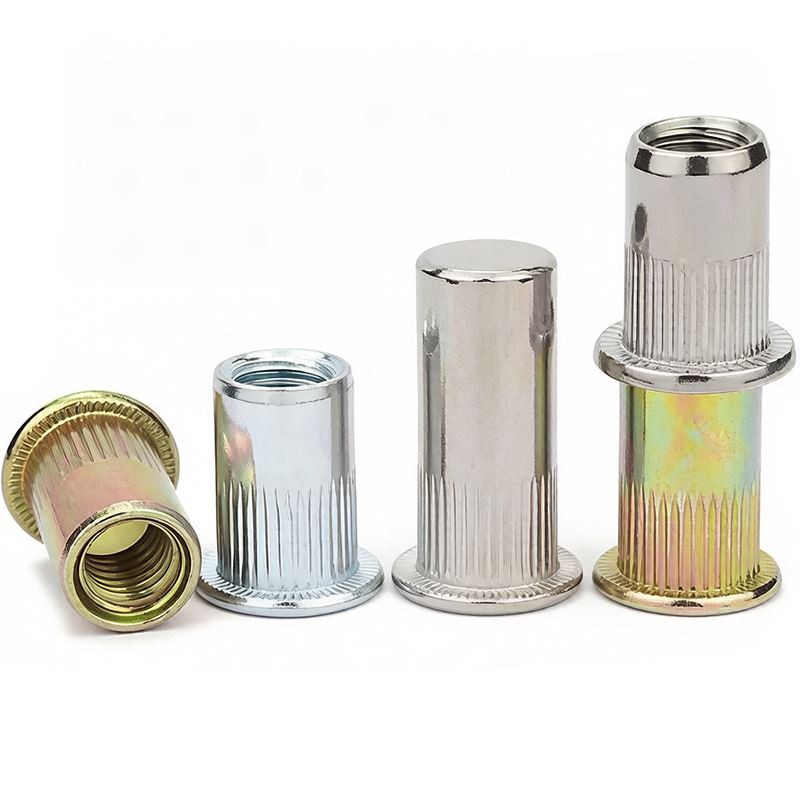
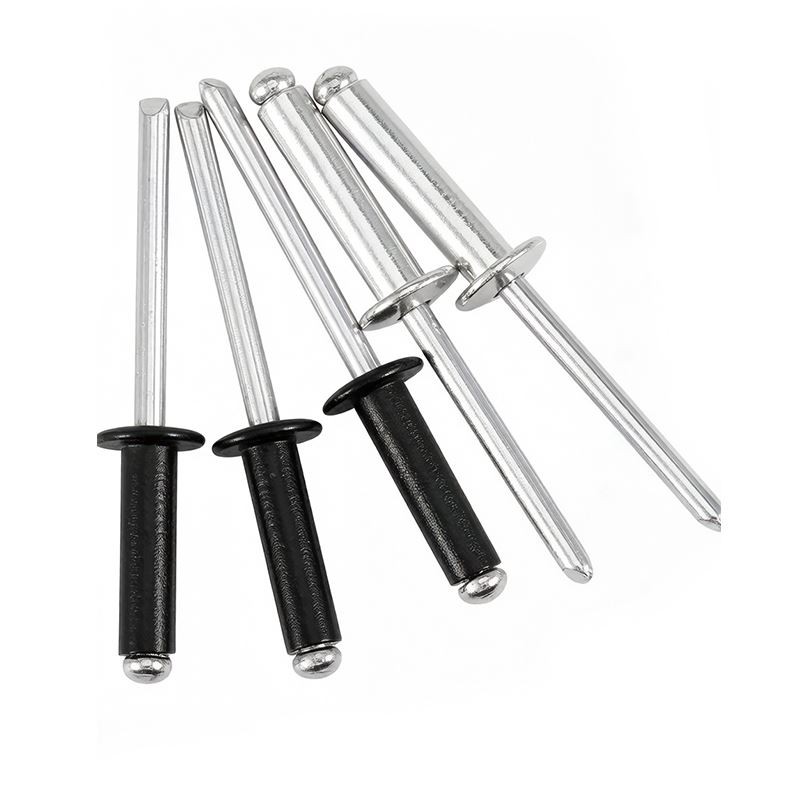
In conclusion, pull rivets have their advantages and limitations when it comes to high - precision applications. By carefully considering the factors I've discussed and working with a trusted supplier, you can make an informed decision about whether pull rivets are the right choice for your project.
References:
- Industry standards for high - precision fasteners
- Technical literature on pull rivet installation and performance
- Case studies of pull rivet use in high - precision applications
