

Hey there! As a supplier of Press-fit Screws, I often get asked if these nifty little fasteners can be used in locomotive applications. Well, let's dive right into it and see if press-fit screws are a good fit for the high - stakes world of locomotives.
What are Press - fit Screws?
First off, let's talk about what press - fit screws are. Press - fit screws, as the name suggests, are designed to be pressed into a pre - drilled hole without the need for tapping. They rely on the interference between the screw and the hole to create a secure connection. You can learn more about them Press-fit Screws.
These screws are known for their ease of installation. You don't have to go through the hassle of tapping threads, which can save a lot of time, especially in large - scale manufacturing. They also offer a high level of holding power once installed, making them a popular choice in many industries.
The Demands of Locomotive Applications
Locomotives are some serious pieces of machinery. They operate under extreme conditions, facing high levels of vibration, shock, and temperature variations. The components used in locomotives need to be incredibly reliable because any failure can lead to major safety issues and costly downtime.
Vibration is a huge concern. Locomotives are constantly in motion, and the vibrations can cause fasteners to loosen over time. If a screw comes loose, it can lead to parts shifting or even detaching, which is a recipe for disaster. Temperature variations are also a factor. Locomotives can operate in a wide range of temperatures, from freezing cold to scorching heat. The materials used in the fasteners need to be able to withstand these temperature changes without losing their integrity.
Can Press - fit Screws Meet the Demands?
Now, let's get to the big question: can press - fit screws be used in locomotive applications? The answer is, it depends.
On the positive side, press - fit screws offer some advantages that make them a potential candidate for locomotive use. Their high holding power can help keep components in place, even under vibration. The interference fit between the screw and the hole creates a tight connection that resists loosening.
However, there are also some challenges. One of the main concerns is the long - term durability of press - fit screws under the extreme conditions of locomotive operation. The constant vibration and shock can gradually wear down the interference fit, leading to a loss of holding power. Additionally, the temperature variations can cause the materials of the screw and the surrounding components to expand and contract at different rates, which may also affect the integrity of the connection.
Material Selection
The choice of material for press - fit screws is crucial when considering locomotive applications. High - strength steels are often a good option because they can withstand the high stresses and loads associated with locomotive operation. Stainless steel is another popular choice, especially in applications where corrosion resistance is important.
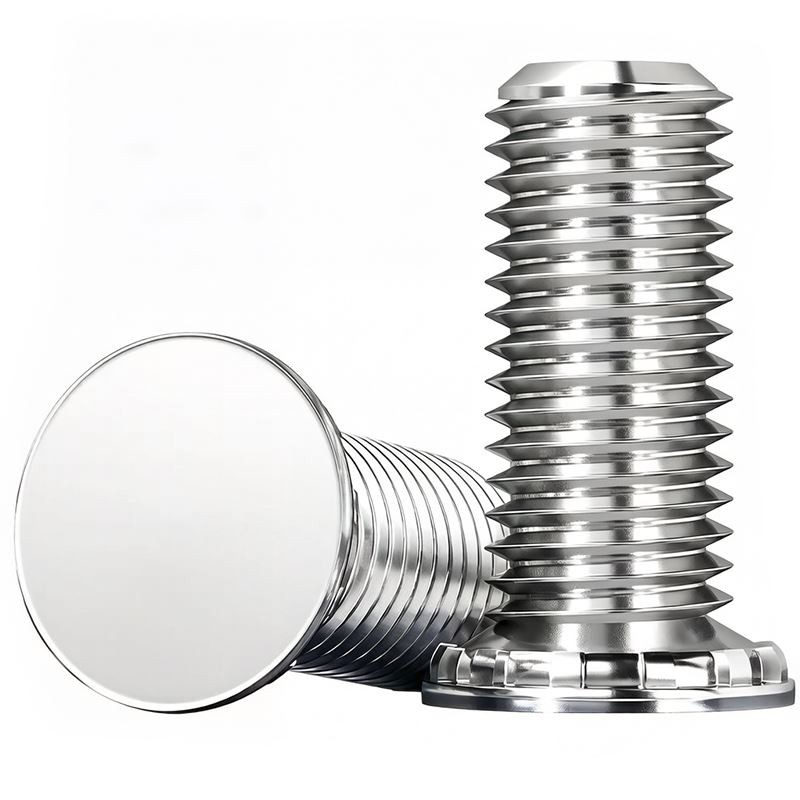
Some press - fit screws are also made from specialized alloys that are designed to have excellent mechanical properties and resistance to temperature changes. These alloys can help ensure that the screws maintain their performance over a long period of time, even in harsh environments.
Installation Considerations
Proper installation is key when using press - fit screws in locomotive applications. The pre - drilled holes need to be of the correct size and tolerance to ensure a proper interference fit. If the holes are too large, the screw may not have enough holding power. If they are too small, it can be difficult to install the screw, and there is a risk of damaging the surrounding components.
In addition, the installation process needs to be carefully controlled to ensure that the screws are pressed in evenly and to the correct depth. This may require the use of specialized installation tools and techniques to ensure consistent results.
Comparison with Other Fasteners
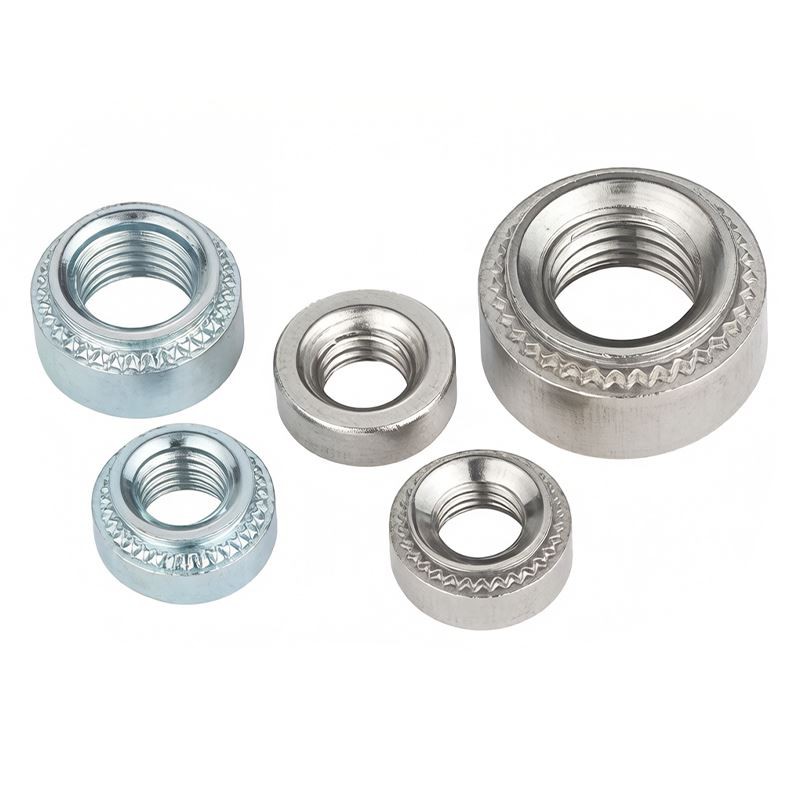
It's also worth comparing press - fit screws with other types of fasteners commonly used in locomotive applications. For example, Press-fit Nuts are another option. Press - fit nuts offer similar advantages in terms of ease of installation and high holding power. However, they may be more suitable for applications where a threaded hole is required, such as when attaching components that need to be easily removable.
Pull Rivets are also widely used in locomotives. Pull rivets are quick and easy to install, and they can provide a strong, permanent connection. However, they may not be as suitable for applications where the fastener needs to be removed and reinstalled multiple times.
Case Studies
There have been some successful applications of press - fit screws in locomotive components. For example, in some non - critical areas of the locomotive, such as interior panels or small brackets, press - fit screws have been used to provide a secure and cost - effective fastening solution.
However, in more critical areas, such as the engine or the braking system, the use of press - fit screws is still being evaluated. Some manufacturers are conducting extensive testing to determine the long - term performance of press - fit screws under the extreme conditions of locomotive operation.
Conclusion
So, can press - fit screws be used in locomotive applications? The answer is that they have the potential, but there are some challenges that need to be addressed. With the right material selection, proper installation, and careful consideration of the application requirements, press - fit screws can be a viable option for certain locomotive components.
If you're in the locomotive industry and are considering using press - fit screws for your applications, I'd love to have a chat with you. We can discuss your specific needs and see if our press - fit screws are the right fit for you. Whether you need high - strength screws for critical components or cost - effective solutions for non - critical areas, we've got you covered. Don't hesitate to reach out and start a conversation about your procurement needs.
References
- "Fasteners in Heavy Machinery: A Technical Overview" - Industry Research Report
- "Materials for Locomotive Components" - Journal of Mechanical Engineering
- "Installation Guidelines for Press - fit Fasteners" - Manufacturer's Technical Manual
