

Hey there! As a supplier of turned precision parts, I've seen firsthand the impacts that coatings can have on these components. In this blog, I'll dive into the various effects of coatings on turned precision parts, and why they matter in different industries.
1. Protection Against Corrosion
One of the most significant effects of coatings on turned precision parts is corrosion protection. Many turned parts are made from metals like steel, aluminum, or brass, which are prone to corrosion when exposed to moisture, chemicals, or harsh environments. A good coating acts as a barrier between the metal surface and the corrosive elements.
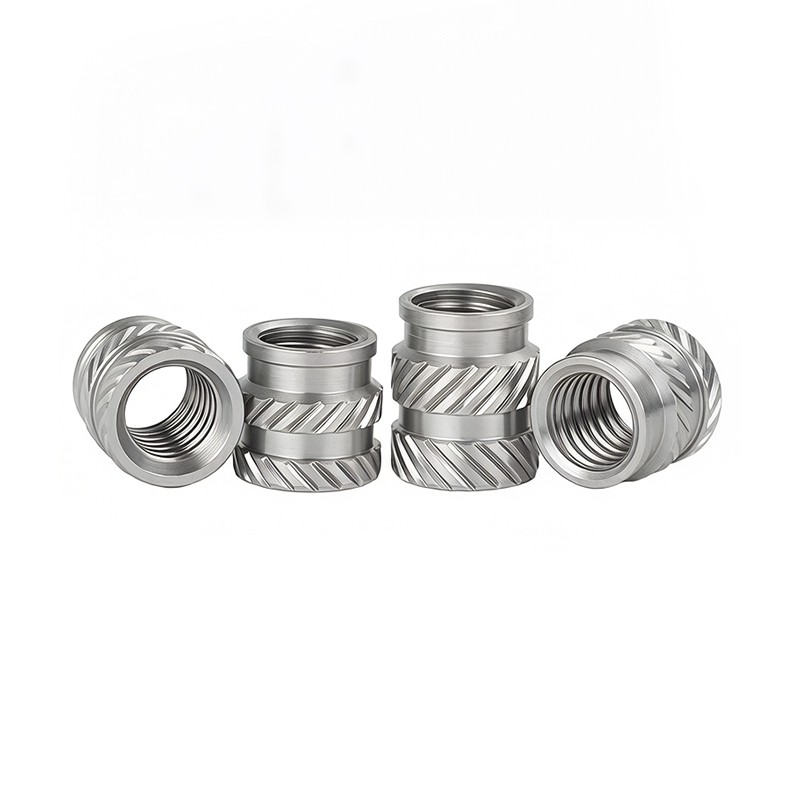
For example, in the automotive industry, turned precision parts such as Hot Melt Embossed Nut are often exposed to road salts, water, and other contaminants. A corrosion - resistant coating can significantly extend the lifespan of these parts, reducing the need for frequent replacements. This not only saves money but also ensures the safety and reliability of the vehicle.
2. Enhanced Wear Resistance
Wear is another major concern for turned precision parts. These parts are often subjected to friction and abrasion during their operation. Coatings can improve the wear resistance of the parts by providing a hard, smooth surface.
Take Shaft Spacer Sleeve as an example. In machinery, these sleeves are in constant contact with other components, and without proper protection, they can wear out quickly. A coating with high wear resistance can reduce the rate of wear, allowing the parts to last longer and perform more efficiently. This is especially important in high - speed or high - load applications, where the wear can be even more severe.
3. Improved Aesthetics
Coatings can also have a significant impact on the appearance of turned precision parts. In some industries, such as consumer electronics or high - end machinery, the aesthetics of the parts are crucial. A smooth, uniform coating can give the parts a professional and high - quality look.
For instance, in the production of Drilled Shaft, a well - applied coating can enhance the visual appeal of the shaft, making it more attractive to customers. This can be a competitive advantage for manufacturers, as customers often associate a good appearance with high quality.
4. Reduced Friction
Friction can cause energy losses and heat generation in turned precision parts. Coatings can be designed to reduce friction between the parts and other components. This is particularly important in applications where smooth operation is required, such as in precision instruments or mechanical systems.
By reducing friction, coatings can improve the efficiency of the parts, lower energy consumption, and reduce the risk of overheating. This can lead to better performance and longer service life of the components.
5. Chemical Resistance
In some industries, turned precision parts may be exposed to various chemicals. A coating with good chemical resistance can protect the parts from damage caused by these chemicals.
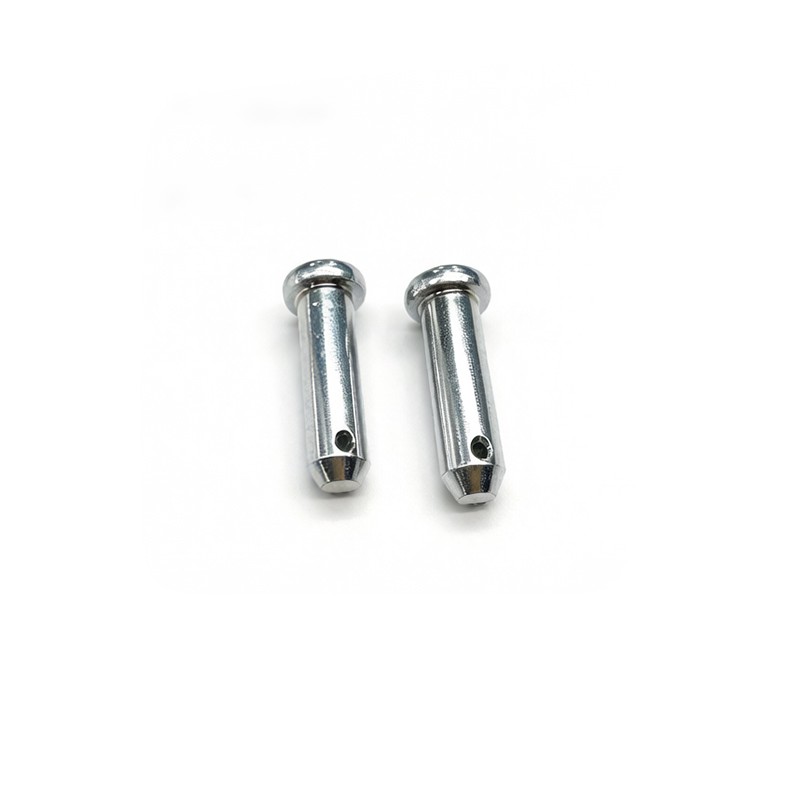
For example, in the chemical processing industry, parts need to be able to withstand exposure to acids, alkalis, and other corrosive substances. A chemical - resistant coating can prevent the chemicals from attacking the metal surface, ensuring the integrity and functionality of the parts.
6. Dimensional Stability
Coatings can also help maintain the dimensional stability of turned precision parts. During the coating process, the coating material adheres to the surface of the part, providing an additional layer of support. This can prevent the part from deforming under stress or changes in temperature.
In applications where precise dimensions are critical, such as in aerospace or medical devices, the dimensional stability provided by coatings is essential. It ensures that the parts fit together correctly and perform as expected.
7. Electrical Conductivity or Insulation
Depending on the application, coatings can be used to either enhance or reduce the electrical conductivity of turned precision parts. In electronic applications, parts may need to have specific electrical properties.
For example, a conductive coating can be applied to parts to improve their electrical conductivity, which is important in circuits and electrical components. On the other hand, an insulating coating can be used to prevent electrical leakage or short - circuits in certain applications.
Considerations When Choosing a Coating
When choosing a coating for turned precision parts, there are several factors to consider. First, the environment in which the parts will be used is crucial. If the parts will be exposed to high humidity, chemicals, or extreme temperatures, a coating that can withstand these conditions is necessary.
Second, the performance requirements of the parts also play a role. For parts that require high wear resistance, a hard and durable coating should be selected. For parts where aesthetics are important, a coating with a good finish should be chosen.
Finally, the cost of the coating is also a consideration. While high - performance coatings may offer better protection and performance, they may also be more expensive. It's important to find a balance between cost and performance.
Conclusion
In conclusion, coatings have a wide range of effects on turned precision parts. They can provide protection against corrosion, enhance wear resistance, improve aesthetics, reduce friction, offer chemical resistance, maintain dimensional stability, and control electrical properties. As a supplier of turned precision parts, I understand the importance of choosing the right coating for each application.
If you're in the market for high - quality turned precision parts with the right coating, I'd be more than happy to discuss your specific needs and provide solutions that meet your requirements. Don't hesitate to reach out to me for a consultation and let's start a productive partnership!
References
- Smith, J. (2019). Coating Technologies for Precision Metal Parts. Metalworking Journal.
- Johnson, A. (2020). The Impact of Coatings on the Performance of Turned Components. Manufacturing Insights.
