

Turning signals in a car, also known as indicators or blinkers, are essential safety features that play a crucial role in road communication. As a turning supplier, I have a deep understanding of these important components and their significance in the automotive industry.
The Basics of Turning Signals
Turning signals are electrical devices installed on the front and rear of a vehicle. They are designed to indicate the driver's intention to turn left or right, or to change lanes. When activated, these signals emit a flashing light, which is highly visible to other road users, including drivers, cyclists, and pedestrians.
The primary function of turning signals is to enhance safety on the road. By clearly communicating the driver's intended actions, they help prevent accidents and reduce the risk of collisions. For example, when a driver wants to make a left turn, they activate the left - hand turning signal. This alerts other drivers approaching from behind or from the opposite direction that the vehicle is about to turn, allowing them to adjust their speed and position accordingly.
How Turning Signals Work
Turning signals operate on a simple electrical circuit. The system consists of a switch on the steering column, a flasher unit, and the signal lights themselves. When the driver moves the turn signal lever up or down, it completes an electrical circuit. The flasher unit then interrupts the flow of electricity at a regular interval, causing the signal lights to flash.
Most modern cars use LED (Light - Emitting Diode) technology for their turning signals. LEDs are more energy - efficient, have a longer lifespan, and provide a brighter and more visible light compared to traditional incandescent bulbs. This makes them an ideal choice for automotive applications, where visibility is of utmost importance.
Types of Turning Signals
There are different types of turning signals available in the market, each with its own unique features and benefits.
1. Standard Turning Signals
These are the most common type of turning signals found in vehicles. They are typically located on the front and rear of the car, and sometimes on the side mirrors as well. Standard turning signals are designed to be highly visible from all angles, ensuring that other road users can easily see the driver's intentions.
2. Sequential Turning Signals
Sequential turning signals are a more advanced type of indicator. Instead of flashing all at once, the lights in a sequential signal turn on one after another in a sequential pattern. This creates a more dynamic and eye - catching effect, which can improve visibility and make the driver's intentions even clearer.
3. Integrated Turning Signals
Integrated turning signals are incorporated into other parts of the vehicle, such as the headlights or taillights. This gives the car a more streamlined and modern look, while still providing the necessary signaling function.
Our Offerings as a Turning Supplier
As a turning supplier, we offer a wide range of high - quality turning signals and related components. Our products are designed to meet the strictest safety and quality standards, ensuring reliable performance and long - term durability.
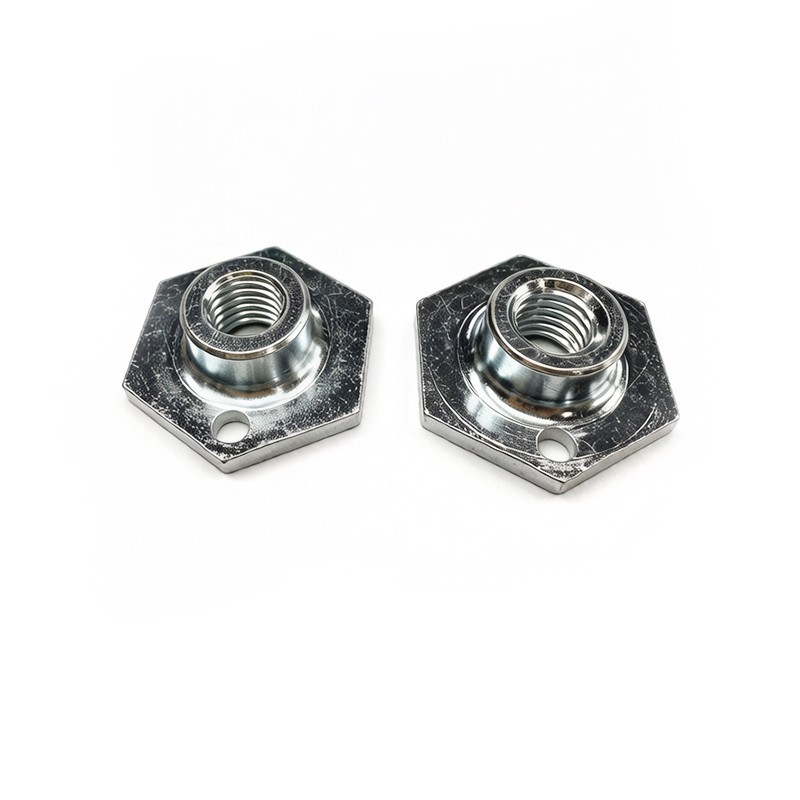
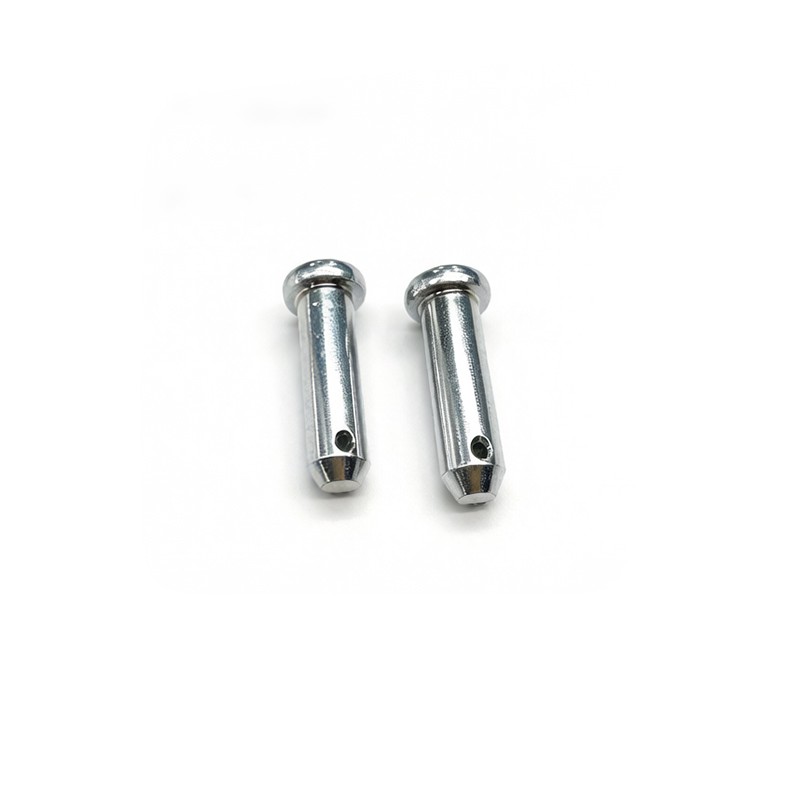
We supply Turned Precision Parts that are used in the manufacturing of turning signals. These parts are precision - engineered to ensure a perfect fit and optimal functionality. Our Drilled Shaft components are also an important part of our product line. They are used in the assembly of various turning signal mechanisms, providing strength and stability. Additionally, our Slotted Shaft products offer unique design features that enhance the performance of the turning signals.
Importance of Regular Maintenance
Just like any other component in a car, turning signals require regular maintenance to ensure they are working properly. A malfunctioning turning signal can be a serious safety hazard, as it can lead to confusion among other road users.
Drivers should regularly check their turning signals to make sure they are flashing correctly. If a signal is not working, it could be due to a blown fuse, a faulty bulb, or a problem with the electrical circuit. In such cases, it is important to have the issue repaired as soon as possible.
Regulatory Requirements
In most countries, the use of turning signals is regulated by law. Drivers are required to use their turning signals when making turns, changing lanes, or merging with traffic. Failure to use turning signals can result in traffic violations and fines.
Automobile manufacturers are also required to meet certain standards when it comes to the design and installation of turning signals. These standards ensure that the signals are visible, reliable, and meet the safety needs of road users.
Future Developments in Turning Signals
The automotive industry is constantly evolving, and turning signals are no exception. Future developments in this area may include the use of more advanced technologies, such as smart signals that can communicate with other vehicles and infrastructure.
For example, some researchers are exploring the possibility of using vehicle - to - vehicle (V2V) communication to enhance the functionality of turning signals. This would allow cars to share information about their intended maneuvers in real - time, further improving safety on the road.
Conclusion
Turning signals are an indispensable part of any vehicle. They play a vital role in ensuring the safety of all road users by clearly communicating the driver's intentions. As a turning supplier, we are committed to providing high - quality products that meet the needs of the automotive industry.
If you are in the market for turning signals or related components, we invite you to contact us for more information. Our team of experts is ready to assist you with your procurement needs and provide you with the best solutions for your specific requirements. Whether you are an automotive manufacturer, a repair shop, or an individual looking for replacement parts, we have the products and expertise to meet your needs.
References
- Automotive Engineering Handbook.
- Road Traffic Safety Regulations.
