

Are there any specific installation tools for a shaft spacer sleeve? That's a question I get asked a lot as a shaft spacer sleeve supplier. In this blog, I'm gonna break down everything you need to know about the tools used for installing shaft spacer sleeves.
First off, let's talk about what a shaft spacer sleeve is. It's a simple yet crucial component that's used to maintain the proper spacing between different parts on a shaft. This helps in ensuring the smooth operation of machinery and preventing any unwanted contact between adjacent components.
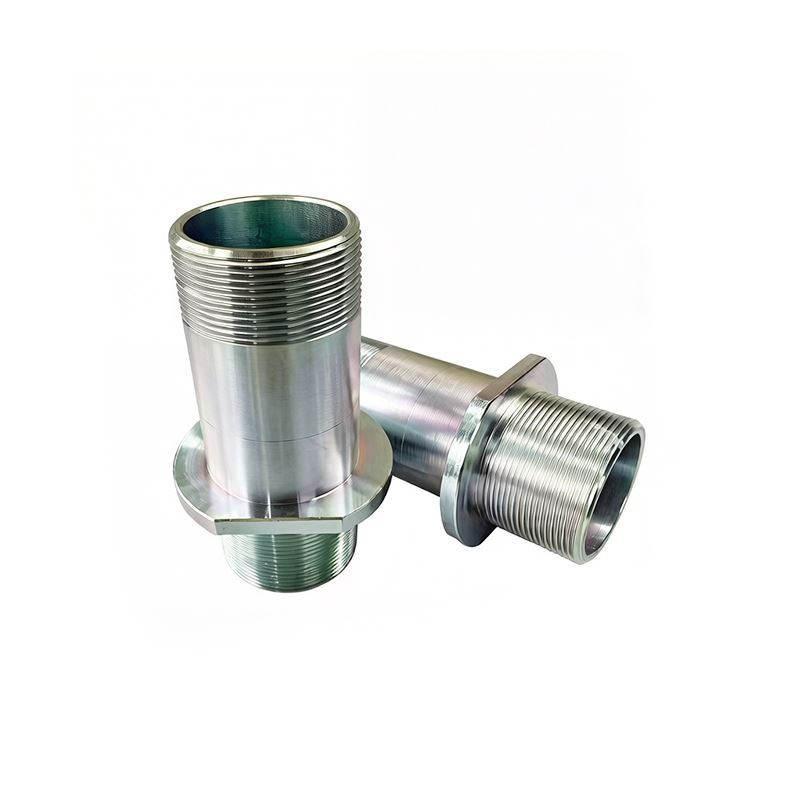
Now, when it comes to installing a shaft spacer sleeve, there are indeed some specific tools that can make the job a whole lot easier. One of the most commonly used tools is a press. A hydraulic press, for example, can be used to apply a controlled amount of force to slide the spacer sleeve onto the shaft. This is especially useful when dealing with tight - fitting sleeves. You can find more information about precision parts like shaft spacer sleeves on the Turned Precision Parts page.
Another important tool is a mallet or a hammer. However, you gotta be careful when using these. A soft - faced mallet is often preferred as it won't damage the surface of the spacer sleeve or the shaft. You can tap the sleeve gently to help it move into place. But if you're too rough, you might end up deforming the sleeve or causing scratches on the shaft.
A puller is also a handy tool, especially when you need to remove an existing spacer sleeve. There are different types of pullers available, such as two - jaw and three - jaw pullers. They work by gripping the sleeve and applying a pulling force to remove it from the shaft.
In some cases, you might also need a torque wrench. This tool is used to ensure that the fasteners used to secure the spacer sleeve are tightened to the correct torque. Over - tightening can lead to damage, while under - tightening can cause the sleeve to loosen during operation.
Now, let's take a look at the installation process itself. Before you start, make sure the shaft and the spacer sleeve are clean. Any dirt or debris can affect the fit and performance of the sleeve. You might also want to apply a small amount of lubricant to the shaft to make it easier to slide the sleeve on.
Once you've got your tools ready, you first position the spacer sleeve on the shaft. If you're using a press, place the shaft in the press and carefully align the sleeve. Then, apply the appropriate amount of pressure to press the sleeve onto the shaft. If you're using a mallet, tap the sleeve gently until it's in the correct position.
It's important to note that different types of shaft spacer sleeves might require different installation methods. For example, a Drilled Shaft might have specific requirements compared to a standard sleeve.
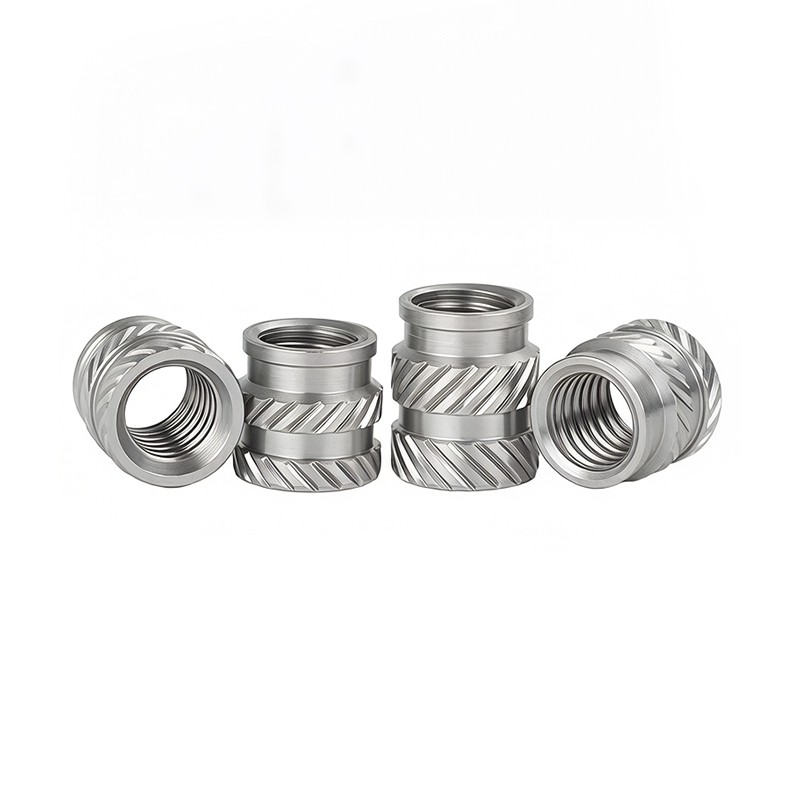
When it comes to hot melt embossed nuts, they can be used in some applications involving shaft spacer sleeves. You can learn more about them on the Hot Melt Embossed Nut page. These nuts can provide a secure fastening option and might require special tools for installation as well.
If you're in the market for shaft spacer sleeves, it's important to choose a reliable supplier. As a supplier, I can attest to the fact that quality matters. We make sure that our shaft spacer sleeves are made from high - quality materials and are precision - engineered to meet the highest standards.
Whether you're a small - scale manufacturer or a large industrial company, having the right tools and components is essential for the smooth operation of your machinery. If you have any questions about shaft spacer sleeves or need help with installation, don't hesitate to reach out. We're here to assist you in finding the best solutions for your needs.
In conclusion, there are specific tools for installing shaft spacer sleeves, and using the right ones can make the installation process much easier and more efficient. If you're interested in purchasing shaft spacer sleeves or have any questions about our products, feel free to get in touch. We're always happy to have a chat and discuss your requirements.
References
- General knowledge about mechanical components and installation techniques.
- Industry standards and best practices for shaft spacer sleeve installation.
