

As a supplier of Metal Lock Nuts, I understand the importance of proper storage for these essential fasteners. Metal lock nuts are designed to provide a secure and reliable connection in various applications, and their performance can be significantly affected by how they are stored. In this blog post, I will share some best practices for storing metal lock nuts to ensure their quality and longevity.
Understanding the Properties of Metal Lock Nuts
Before delving into storage methods, it's crucial to understand the properties of metal lock nuts. These nuts are typically made from materials such as steel, stainless steel, or brass, each with its own characteristics. Steel lock nuts are strong and durable, making them suitable for heavy-duty applications. Stainless steel lock nuts offer excellent corrosion resistance, ideal for use in harsh environments. Brass lock nuts are known for their good conductivity and aesthetic appeal.
The locking mechanism of metal lock nuts is another important factor to consider. Most metal lock nuts use a prevailing torque design, which means they have a built-in feature that resists loosening due to vibration or other external forces. This locking mechanism can be affected by factors such as moisture, dirt, and improper handling, which is why proper storage is essential.
Choosing the Right Storage Environment
The first step in proper storage is to choose the right environment. Metal lock nuts should be stored in a clean, dry, and well-ventilated area. Moisture is one of the biggest enemies of metal, as it can cause rust and corrosion. Therefore, it's important to avoid storing lock nuts in areas prone to high humidity, such as basements or near water sources.
Temperature is also a crucial factor. Extreme temperatures can affect the properties of the metal, causing it to expand or contract. This can lead to changes in the locking mechanism and potentially affect the performance of the lock nuts. It's best to store lock nuts at a consistent temperature within the recommended range for the specific material.
Packaging and Labeling
Proper packaging is essential for protecting metal lock nuts during storage. They should be stored in sealed containers or bags to prevent moisture, dust, and other contaminants from entering. Clear plastic containers or bags are ideal, as they allow you to easily see the contents.
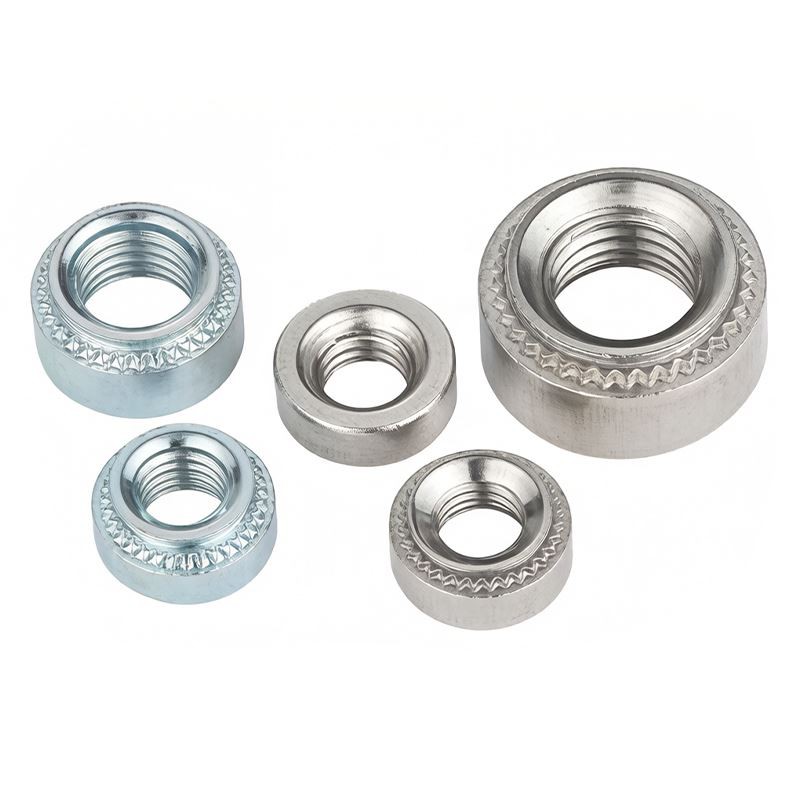
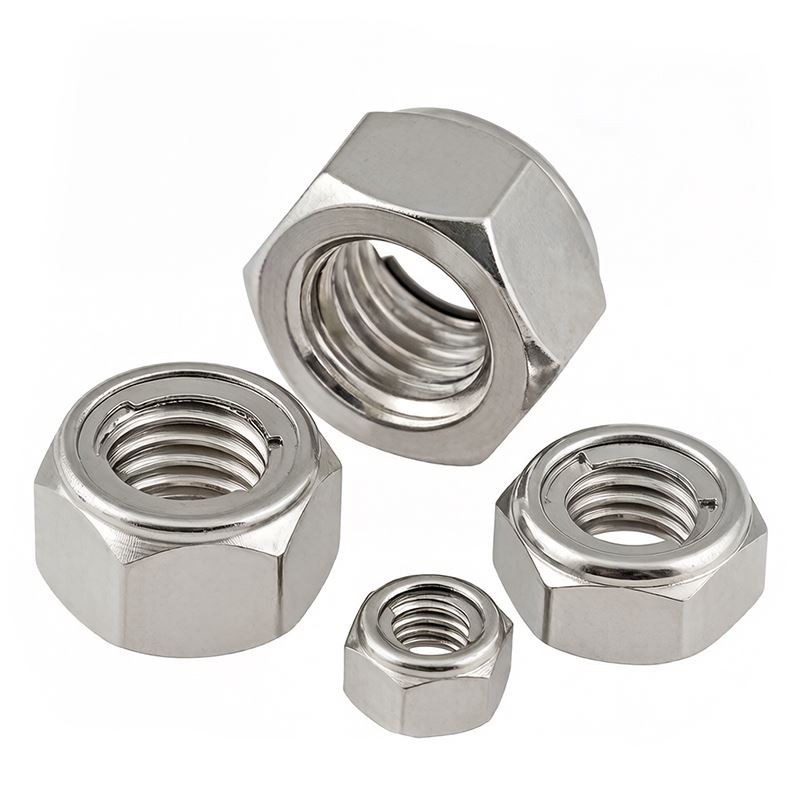
Labeling is also important for easy identification. Each container should be labeled with the type of lock nut, size, and quantity. This will make it easier to find the right lock nuts when needed and ensure that they are used correctly.
Organizing the Storage Space
To ensure efficient storage and easy access, it's important to organize the storage space. You can use shelves, cabinets, or storage bins to keep the lock nuts organized. Grouping lock nuts by size, type, and application can make it easier to find the right ones when needed.
It's also a good idea to keep an inventory of the lock nuts in storage. This will help you keep track of the quantity and ensure that you have enough stock on hand. You can use a spreadsheet or a dedicated inventory management system to keep track of the inventory.
Handling and Transporting Metal Lock Nuts
Proper handling and transporting of metal lock nuts are also important to prevent damage. When handling lock nuts, it's important to use clean hands or gloves to avoid transferring dirt or moisture to the nuts. Avoid dropping or banging the lock nuts, as this can damage the locking mechanism.
When transporting lock nuts, they should be packed in a way that protects them from damage. Use padded containers or boxes to prevent the nuts from moving around during transit. It's also a good idea to label the containers with the type of lock nut and the quantity to ensure that they are handled correctly.
Regular Inspections
Regular inspections of the stored lock nuts are essential to ensure their quality. Check for signs of rust, corrosion, or damage on a regular basis. If any lock nuts are found to be damaged, they should be removed from the storage and replaced.
It's also a good idea to perform a functional test on the lock nuts periodically. This can help you ensure that the locking mechanism is working properly and that the lock nuts are still suitable for use.
Conclusion
Proper storage of metal lock nuts is essential to ensure their quality and longevity. By choosing the right storage environment, using proper packaging and labeling, organizing the storage space, handling and transporting the lock nuts correctly, and performing regular inspections, you can ensure that your metal lock nuts are in good condition and ready for use when needed.
If you are in the market for high-quality Metal Lock Nuts, we are here to help. Our company offers a wide range of Metal Lock Nuts, including Weldnut, Multi Grip Rivet Nut, and many others. We are committed to providing our customers with the best products and services. Contact us today to discuss your requirements and start a procurement negotiation.
References
- ASTM International. (2023). Standard Specification for Carbon and Alloy Steel Nuts. ASTM F436-23.
- Machinery's Handbook. (31st Edition). Industrial Press.
- Fastener Training Institute. (2023). Fastener Storage and Handling Best Practices.
