

Can blind rivets be removed? This is a question that often comes up in various industries where blind rivets are widely used. As a professional supplier of blind rivets, I'm here to provide you with a comprehensive answer to this question.
Understanding Blind Rivets
Blind rivets are a type of fastener that is used to join two or more materials together. They are called "blind" because they can be installed from one side of the workpiece, which is very convenient in situations where access to the back side is limited. Blind rivets consist of a rivet body and a mandrel. When the mandrel is pulled, the rivet body expands and forms a bulge on the back side, creating a secure connection.
Reasons for Removing Blind Rivets
There are several reasons why you might need to remove blind rivets. One common reason is for repair or maintenance. If a component needs to be replaced or repaired, the blind rivets holding it in place may need to be removed. Another reason could be for disassembly during product recycling or modification. In some cases, incorrect installation of blind rivets may also require their removal.
Methods of Removing Blind Rivets
Drilling
One of the most common methods for removing blind rivets is drilling. You will need a drill bit that is slightly larger than the diameter of the rivet mandrel. First, place the drill bit at the center of the rivet head and start drilling slowly. As you drill, the mandrel will be cut through, and the rivet body can then be removed. However, this method requires some skill and caution to avoid damaging the surrounding material. If the drill bit is too large, it may cause excessive damage to the workpiece.
Grinding
Grinding is another option for removing blind rivets. You can use a grinding wheel or a Dremel tool to grind down the rivet head until it is flush with the surface. Once the head is removed, you can usually push the remaining rivet body out from the back side. This method is suitable for situations where the rivet is not too deeply set and the surrounding material can withstand the grinding process.
Using a Rivet Removal Tool
There are also specialized rivet removal tools available in the market. These tools are designed to grip the mandrel and pull it out, which in turn removes the rivet body. They are relatively easy to use and can be a quick and efficient way to remove blind rivets. However, they may not be suitable for all types of rivets, and you need to make sure you choose the right tool for the job.
Considerations When Removing Blind Rivets
When removing blind rivets, there are several factors to consider. First, you need to ensure that the removal method you choose is appropriate for the type of rivet and the material of the workpiece. Different types of blind rivets may require different removal techniques. For example, some rivets may have a special design that makes them more difficult to remove.
Second, you need to be careful not to damage the surrounding material. Drilling or grinding can cause scratches or other damage to the workpiece, so it's important to take precautions. You may need to use a backing plate or a protective covering to prevent damage.
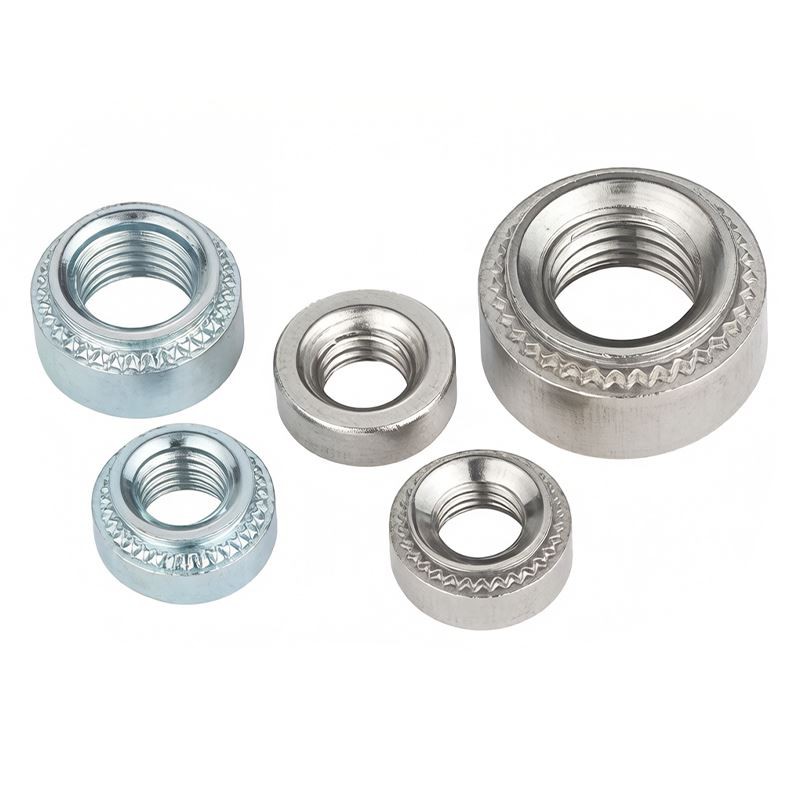
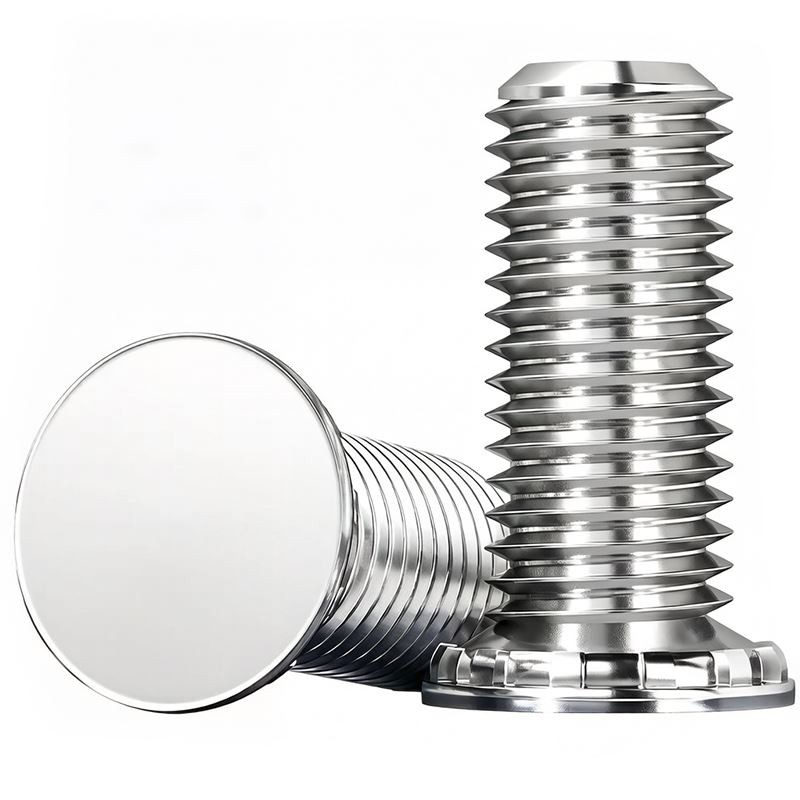
Finally, after removing the blind rivets, you may need to replace them with new ones. Make sure you choose the right type and size of rivets for the application. As a blind rivets supplier, we offer a wide range of blind rivets, including Press-fit Screws, Special Rivet, and Press-fit Nuts, to meet your different needs.
Conclusion
In conclusion, blind rivets can be removed, but it requires the right method and tools. Whether you are doing repair work, product modification, or recycling, understanding how to remove blind rivets is essential. As a professional blind rivets supplier, we are committed to providing high-quality products and professional advice. If you have any questions about blind rivets or need help with rivet removal, please feel free to contact us for procurement and further discussion. We look forward to working with you.
References
- "Fasteners Handbook", McGraw - Hill Professional
- "Riveting Technology and Applications", ASM International
