

As a supplier of Hot Melt Embossed Nuts, I often get asked about the abrasion resistance of these nuts. Abrasion resistance is a crucial factor when it comes to the performance and longevity of any nut, and Hot Melt Embossed Nuts are no exception. In this blog, I'll dive deep into what abrasion resistance means for these nuts, how it's measured, and why it matters in various applications.
What is Abrasion Resistance?
Abrasion resistance refers to a material's ability to withstand wear and tear caused by friction. When two surfaces rub against each other, they can cause the material to gradually wear away. In the case of Hot Melt Embossed Nuts, abrasion can occur during installation, tightening, or when the nut is subject to vibration or movement in its application.
Good abrasion resistance means that the nut can maintain its shape, size, and thread integrity over time, even when exposed to abrasive forces. This is important because a nut that wears out quickly can lead to loose connections, reduced performance, and even safety hazards in some applications.
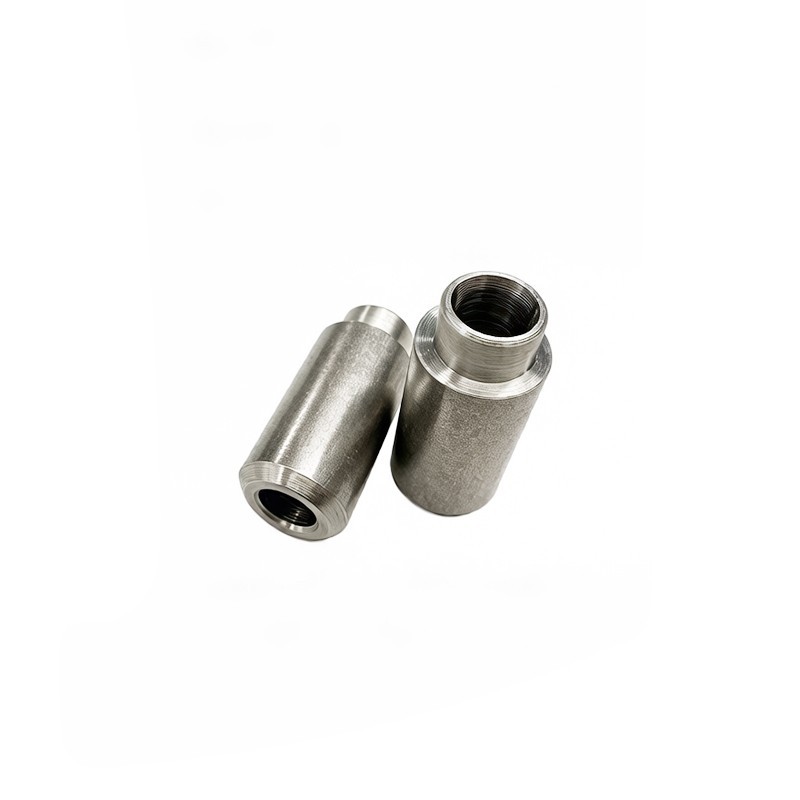
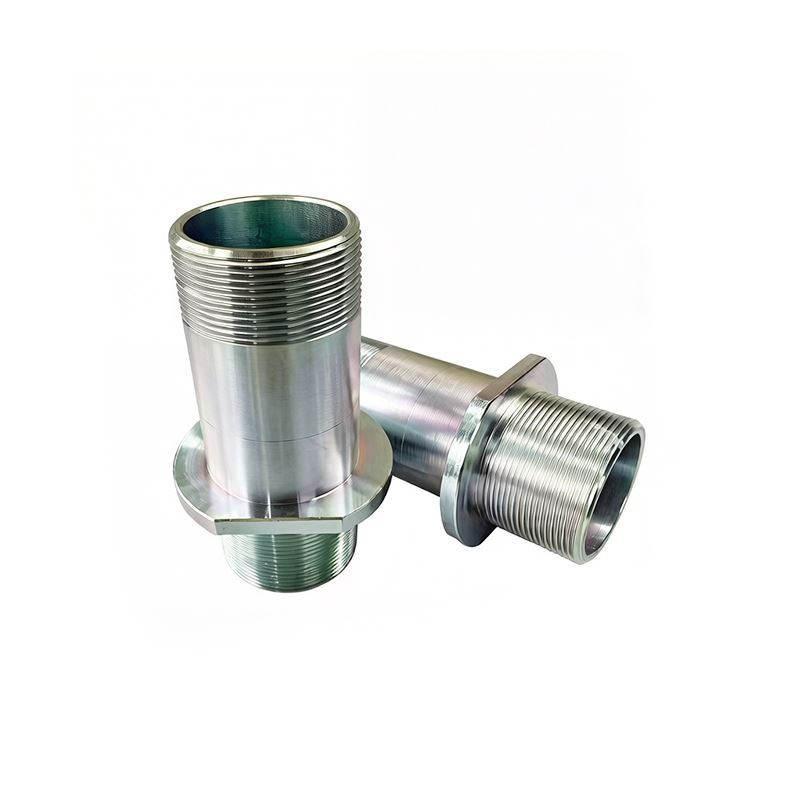
How is Abrasion Resistance Measured?
There are several methods to measure the abrasion resistance of materials, and for Hot Melt Embossed Nuts, the most common ones involve testing the nut's ability to resist wear under controlled conditions.
One method is the Taber Abraser test. In this test, the nut is placed on a rotating platform, and a weighted abrasive wheel is applied to the surface of the nut. The wheel rotates for a specified number of cycles, and the amount of material worn away is measured. A lower weight loss indicates better abrasion resistance.
Another method is the sandpaper abrasion test. In this test, the nut is rubbed against a piece of sandpaper with a specific grit under a controlled force. The number of rubs required to cause a certain amount of wear is recorded. The more rubs it takes, the better the abrasion resistance of the nut.
Factors Affecting Abrasion Resistance of Hot Melt Embossed Nuts
Several factors can affect the abrasion resistance of Hot Melt Embossed Nuts:
Material
The material used to make the nut is one of the most important factors. Different metals and alloys have different levels of hardness and toughness, which directly affect their abrasion resistance. For example, nuts made from high - strength steel are generally more abrasion - resistant than those made from softer metals like aluminum.
Surface Treatment
Surface treatments can significantly improve the abrasion resistance of Hot Melt Embossed Nuts. Processes like galvanizing, plating, or coating can create a protective layer on the surface of the nut, reducing the direct contact between the nut and the abrasive surface. For instance, a zinc - plated nut is more resistant to abrasion and corrosion than an uncoated one.
Embossing Design
The embossing on the nut can also play a role in its abrasion resistance. A well - designed embossing pattern can distribute the stress evenly during installation and use, reducing the concentrated wear on specific areas of the nut. Additionally, the embossing can increase the friction between the nut and the mating surface, which can sometimes reduce the relative movement and thus the abrasion.
Why Abrasion Resistance Matters in Applications
Hot Melt Embossed Nuts are used in a wide range of applications, and abrasion resistance is crucial in many of them:
Automotive Industry
In the automotive industry, Hot Melt Embossed Nuts are used in various components such as engines, transmissions, and suspension systems. These components are subject to high levels of vibration and movement, which can cause abrasion. A nut with good abrasion resistance can ensure a secure connection and prevent loosening, which is essential for the safety and performance of the vehicle.
Electronics Industry
In the electronics industry, these nuts are used to assemble electronic devices. The nuts need to maintain their integrity during the assembly process and throughout the lifespan of the device. Abrasion - resistant nuts can prevent damage to the threads, ensuring proper electrical connections and the overall reliability of the device.
Furniture Manufacturing
In furniture manufacturing, Hot Melt Embossed Nuts are used to assemble different parts of the furniture. The nuts are often tightened and loosened during the assembly and disassembly process, which can cause abrasion. A nut with good abrasion resistance can ensure that the furniture remains stable and well - assembled over time.
Our Hot Melt Embossed Nuts and Abrasion Resistance
As a supplier, we take great pride in the abrasion resistance of our Hot Melt Embossed Nuts. We use high - quality materials and advanced manufacturing processes to ensure that our nuts have excellent abrasion resistance.
Our nuts are made from carefully selected metals and alloys, which are known for their high hardness and toughness. We also offer a variety of surface treatments, such as galvanizing and plating, to further enhance the abrasion resistance of our nuts.
In addition, our embossing design is carefully engineered to optimize the stress distribution and increase the friction between the nut and the mating surface. This not only improves the abrasion resistance but also ensures a more secure connection.
Related Products
If you're interested in other related products, we also offer Shaft Spacer Sleeve, Turned Precision Parts, and Internal and External Threaded Copper Nut. These products are also designed with high - quality materials and precision manufacturing to meet your specific needs.
Contact Us for Purchase
If you're in the market for Hot Melt Embossed Nuts or any of our other products, we'd love to hear from you. Whether you have questions about abrasion resistance, product specifications, or pricing, our team of experts is ready to assist you. We can provide you with samples, detailed product information, and competitive quotes. Don't hesitate to reach out to us for a purchase discussion.
References
- ASTM International. (20XX). Standard test methods for abrasion resistance of materials.
- Metal Handbook. (20XX). ASM International.
- Engineering Materials and Their Applications. (20XX). William Smith and Javad Hashemi.
