

What is the impact resistance of threaded screw sleeves?
As a supplier of threaded screw sleeves, I am often asked about the impact resistance of these essential components. Threaded screw sleeves, also known as threaded inserts, are used to provide a durable and reliable threaded connection in a variety of materials, including metal, plastic, and wood. They are commonly used in applications where a strong and secure connection is required, such as in automotive, aerospace, and industrial equipment.
The impact resistance of threaded screw sleeves is an important consideration when selecting the right product for your application. Impact resistance refers to the ability of a material to withstand sudden and intense forces without breaking or deforming. In the case of threaded screw sleeves, impact resistance is crucial for ensuring the integrity and reliability of the threaded connection, especially in applications where the components are subjected to high levels of vibration, shock, or impact.
There are several factors that can affect the impact resistance of threaded screw sleeves, including the material of the sleeve, the design of the sleeve, and the installation method. Let's take a closer look at each of these factors and how they can impact the performance of threaded screw sleeves.
Material of the Sleeve
The material of the threaded screw sleeve plays a significant role in its impact resistance. Different materials have different properties, such as strength, hardness, and ductility, which can affect how the sleeve responds to impact forces. Some of the most common materials used for threaded screw sleeves include:
- Stainless Steel: Stainless steel is a popular choice for threaded screw sleeves due to its high strength, corrosion resistance, and good impact resistance. It is commonly used in applications where the components are exposed to harsh environments or where corrosion is a concern.
- Brass: Brass is another commonly used material for threaded screw sleeves. It is known for its good machinability, corrosion resistance, and moderate impact resistance. Brass sleeves are often used in applications where a decorative finish is desired or where electrical conductivity is required.
- Aluminum: Aluminum is a lightweight and corrosion-resistant material that is commonly used in applications where weight is a concern. While aluminum has good impact resistance, it is generally not as strong as stainless steel or brass.
- Plastic: Plastic threaded screw sleeves are often used in applications where a non-metallic material is required, such as in electronic devices or where electrical insulation is needed. Plastic sleeves have lower impact resistance compared to metal sleeves, but they can be a cost-effective solution for certain applications.
Design of the Sleeve
The design of the threaded screw sleeve can also affect its impact resistance. There are several different types of threaded screw sleeves available, each with its own unique design features. Some of the most common types of threaded screw sleeves include:
- Helical Inserts: Helical inserts, also known as wire inserts, are made from a coiled wire that is inserted into a pre-drilled hole in the material. They are designed to provide a strong and reliable threaded connection by increasing the thread engagement and distributing the load evenly. Helical inserts have good impact resistance and are commonly used in applications where high strength and durability are required.
- Press-Fit Inserts: Press-fit inserts are designed to be pressed into a pre-drilled hole in the material. They are held in place by friction and do not require any additional adhesives or fasteners. Press-fit inserts have good impact resistance and are commonly used in applications where a quick and easy installation is required.
- Threaded Inserts with External Threads: Threaded inserts with external threads are designed to be screwed into a pre-tapped hole in the material. They are commonly used in applications where a strong and secure connection is required, such as in automotive and aerospace applications. Threaded inserts with external threads have good impact resistance and are able to withstand high levels of vibration and shock.
Installation Method
The installation method of the threaded screw sleeve can also affect its impact resistance. Proper installation is crucial for ensuring the integrity and reliability of the threaded connection. Some of the most common installation methods for threaded screw sleeves include:
- Press-Fit Installation: Press-fit installation involves pressing the threaded screw sleeve into a pre-drilled hole in the material using a press or a hammer. This method is quick and easy, but it requires careful alignment to ensure that the sleeve is installed correctly.
- Threaded Installation: Threaded installation involves screwing the threaded screw sleeve into a pre-tapped hole in the material using a wrench or a screwdriver. This method is more time-consuming than press-fit installation, but it provides a stronger and more secure connection.
- Adhesive Installation: Adhesive installation involves using an adhesive to bond the threaded screw sleeve to the material. This method is commonly used in applications where a permanent and secure connection is required. Adhesive installation can provide good impact resistance, but it requires careful preparation and application of the adhesive.
Impact Resistance Testing
To ensure the quality and performance of threaded screw sleeves, it is important to conduct impact resistance testing. Impact resistance testing involves subjecting the threaded screw sleeve to a series of impact forces and measuring its ability to withstand these forces without breaking or deforming. There are several different methods for conducting impact resistance testing, including:
- Drop Test: The drop test involves dropping a weight onto the threaded screw sleeve from a specified height and measuring the amount of damage or deformation that occurs. This method is commonly used to test the impact resistance of threaded screw sleeves in applications where they are subjected to sudden and intense forces.
- Vibration Test: The vibration test involves subjecting the threaded screw sleeve to a series of vibrations and measuring its ability to withstand these vibrations without loosening or coming apart. This method is commonly used to test the impact resistance of threaded screw sleeves in applications where they are subjected to high levels of vibration.
- Shock Test: The shock test involves subjecting the threaded screw sleeve to a sudden and intense shock and measuring its ability to withstand this shock without breaking or deforming. This method is commonly used to test the impact resistance of threaded screw sleeves in applications where they are subjected to high levels of shock.
Conclusion
In conclusion, the impact resistance of threaded screw sleeves is an important consideration when selecting the right product for your application. The material of the sleeve, the design of the sleeve, and the installation method can all affect the impact resistance of the threaded screw sleeve. By choosing the right material, design, and installation method, you can ensure that your threaded screw sleeves have the necessary impact resistance to withstand the forces and conditions of your application.
If you are in the market for threaded screw sleeves, I encourage you to contact us to discuss your specific requirements. We offer a wide range of threaded screw sleeves in various materials, designs, and sizes to meet the needs of different applications. Our team of experts can help you select the right product for your application and provide you with the technical support and guidance you need to ensure a successful installation.
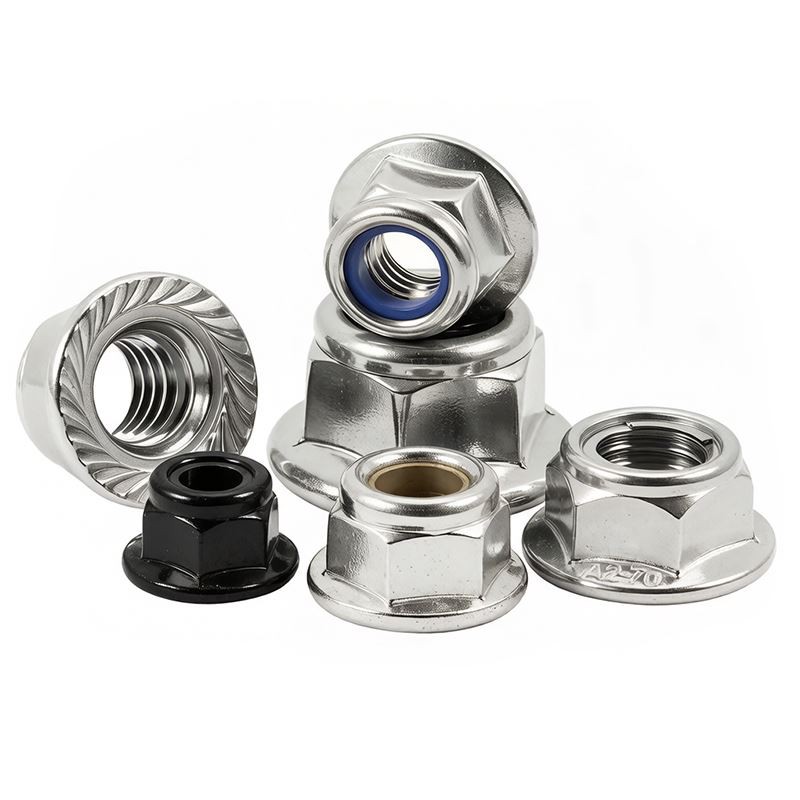
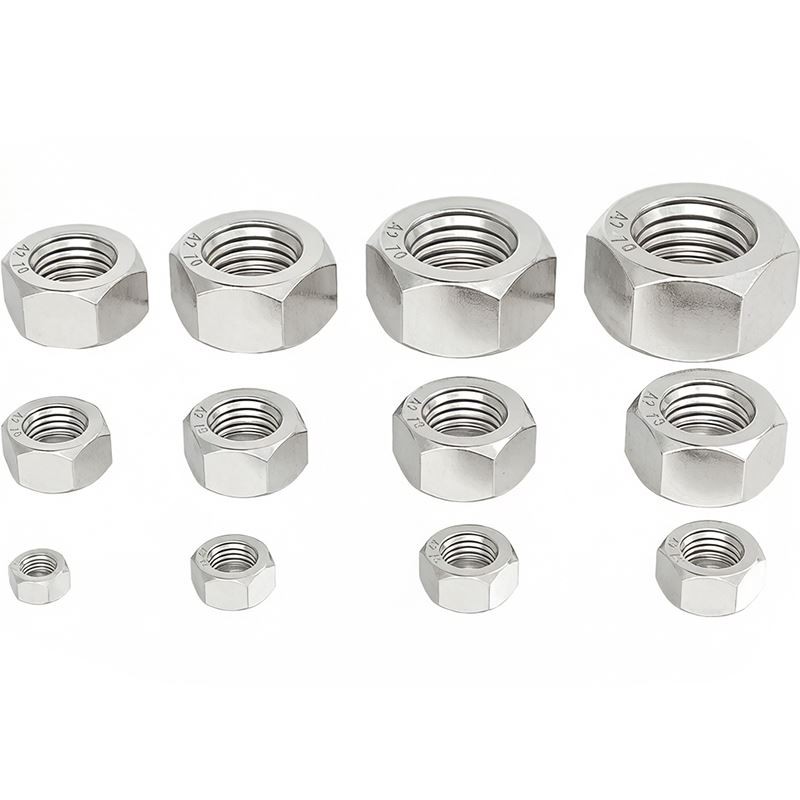
In addition to threaded screw sleeves, we also offer a variety of other fasteners, including Hex Nuts, Multi Grip Rivet Nut, and Flange Lock Nut. Our products are known for their high quality, reliability, and performance, and we are committed to providing our customers with the best possible service and support.
Contact us today to learn more about our products and services and to discuss your specific requirements. We look forward to working with you!
References
- "Threaded Inserts: A Comprehensive Guide." Fastener Engineering.
- "Impact Resistance Testing of Threaded Inserts." Journal of Materials Science.
- "Design and Installation of Threaded Inserts." ASME Journal of Mechanical Design.
