

What is the installation angle for pull rivets?
As a supplier of Pull Rivets, I often get asked about the optimal installation angle for these versatile fasteners. Understanding the correct installation angle is crucial for ensuring the integrity and performance of your projects. In this blog post, I'll delve into the factors that influence the installation angle of pull rivets and provide some insights to help you make the most of these essential components.
The Basics of Pull Rivets
Before we discuss the installation angle, let's briefly review what pull rivets are. Pull rivets, also known as blind rivets, are a type of fastener used to join two or more materials together. They are particularly useful in applications where access to only one side of the materials is possible. Pull rivets consist of a rivet body and a mandrel. The mandrel is pulled through the rivet body, causing the rivet to expand and secure the materials in place.

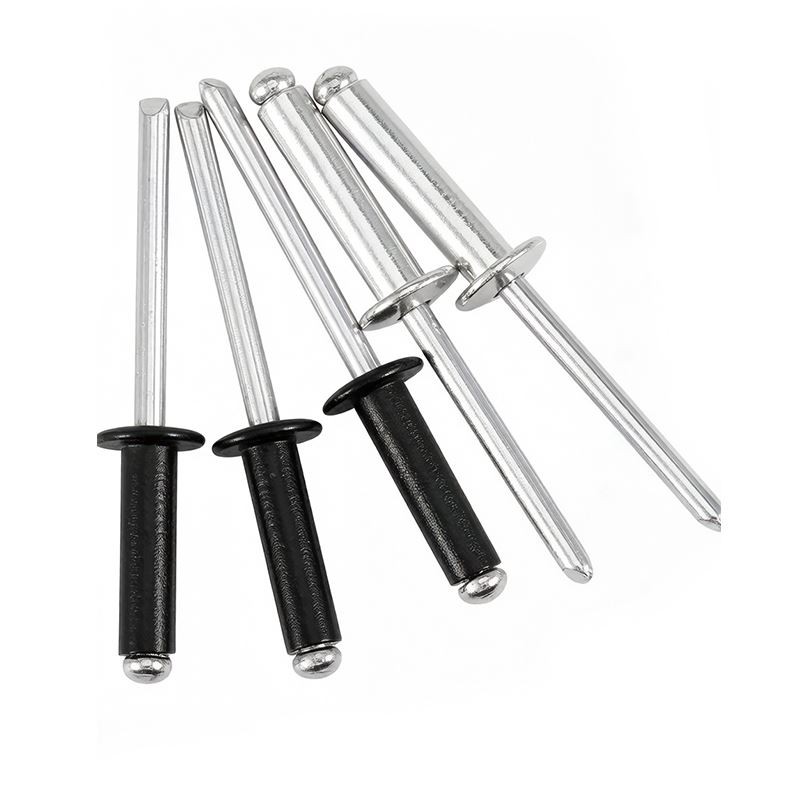
There are various types of pull rivets available, including aluminum, steel, and stainless - steel, each with its own set of properties and applications. For more information on different types of pull rivets, you can visit our Pull Rivets page.
Importance of the Installation Angle
The installation angle of pull rivets plays a significant role in the quality of the joint. An improper installation angle can lead to a weak joint, which may fail under stress. Here are some key reasons why the installation angle matters:
- Proper Expansion: The rivet needs to expand evenly around its circumference to create a strong and secure joint. If the rivet is installed at an incorrect angle, the expansion may be uneven, resulting in a less - than - optimal connection.
- Shear and Tensile Strength: A correctly installed pull rivet can withstand shear and tensile forces more effectively. An improper angle can reduce the rivet's ability to resist these forces, increasing the risk of joint failure.
- Appearance: In applications where aesthetics are important, a straight - installed rivet provides a cleaner and more professional look compared to a rivet that is installed at an angle.
Factors Affecting the Installation Angle
Several factors can influence the optimal installation angle for pull rivets:
Material Thickness
The thickness of the materials being joined is a critical factor. When dealing with thin materials, a more precise installation angle is required to prevent the rivet from deforming or breaking through the material. For thicker materials, there is usually more tolerance for the installation angle, but it is still important to ensure that the rivet is installed as straight as possible.
Rivet Size
The size of the pull rivet also affects the installation angle. Larger rivets may require a more careful approach to installation to ensure proper expansion. Smaller rivets can sometimes tolerate a slightly wider range of installation angles, but it is still advisable to aim for a straight installation.
Type of Application
The nature of the application determines the level of precision required for the installation angle. In structural applications, such as in the construction of buildings or bridges, a very accurate installation angle is essential to ensure the safety and stability of the structure. In less - critical applications, such as in the assembly of furniture or consumer products, a slightly less precise angle may be acceptable.
Optimal Installation Angle
In general, the optimal installation angle for pull rivets is 90 degrees (perpendicular) to the surface of the materials being joined. This angle allows for the most even expansion of the rivet and provides the best shear and tensile strength. However, in some cases, a slight deviation from the 90 - degree angle may be acceptable.
For example, in situations where there are space constraints or where the materials have an irregular surface, a deviation of up to 10 degrees may still result in a satisfactory joint. But it is important to note that any deviation from the 90 - degree angle should be minimized to ensure the best performance of the rivet.
Installation Techniques for Correct Angle
To ensure that the pull rivets are installed at the correct angle, here are some useful techniques:
Use a Guide
A rivet guide can be a valuable tool for maintaining the correct installation angle. A guide is a simple device that helps to align the rivet gun with the hole in the materials. This ensures that the rivet is inserted straight and perpendicular to the surface.
Mark the Hole
Before installing the rivet, mark the center of the hole on the surface of the materials. This can help you visually align the rivet gun and ensure that the rivet is installed at the correct angle.
Practice
If you are new to using pull rivets, it is a good idea to practice on some scrap materials. This will help you get a feel for the installation process and improve your ability to install the rivets at the correct angle.
Other Related Fasteners
While pull rivets are a popular choice for many applications, there are other types of fasteners that you may also consider. Blind Rivets are similar to pull rivets but may have different features and applications. Press - fit Screws are another option that can provide a strong and reliable connection.
Conclusion
In conclusion, the installation angle of pull rivets is a critical factor that can significantly impact the quality and performance of the joint. The optimal installation angle is 90 degrees perpendicular to the surface of the materials, but a slight deviation of up to 10 degrees may be acceptable in some cases. By understanding the factors that affect the installation angle and using the right techniques, you can ensure that your pull rivets are installed correctly and provide a strong and reliable connection.
If you are in the market for high - quality pull rivets or have any questions about their installation, we are here to help. Our team of experts can provide you with the guidance and support you need to choose the right pull rivets for your projects. Contact us today to discuss your requirements and start a procurement negotiation.
References
- "Fastening Technology Handbook", Second Edition, edited by H. A. Rothbart.
- Various industry standards and guidelines related to rivet installation.
