
Differences in Connection Methods
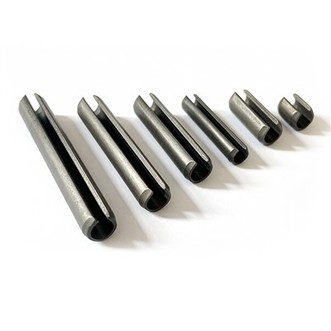
Riveting is a method of joining multiple parts by applying axial force to upset the shank of a rivet within the parts' rivet holes, thereby forming a rivet head.
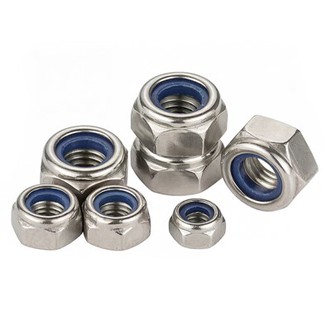
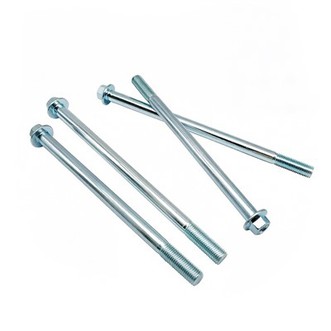
Bolted connections involve passing a bolt through clearance holes in the two machine components being joined, then fitting a washer and tightening a nut.
Differences in Application Scenarios
Riveting offers excellent adaptability; slight deviations in the hole alignment between two plates are permissible, as the rivet material is malleable upon insertion and can be made to fit tightly against the plates through hammering.
Bolted connections are primarily used in situations where the assembly and disassembly of components are required, and where the combined thickness of the parts being joined is not excessive.
Differences in Reusability
The rivets used in riveting are single-use fasteners and cannot be disassembled; if the joined parts need to be separated, the rivets must be destroyed.
Screws join parts by being threaded into the body of the components. Therefore, to separate the components, one simply needs to unscrew the fasteners; the screws themselves remain undamaged and can be reused repeatedly.