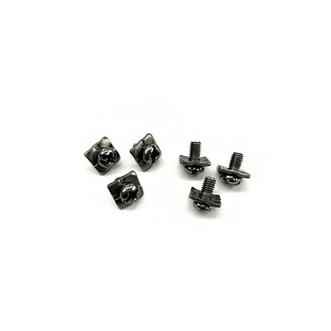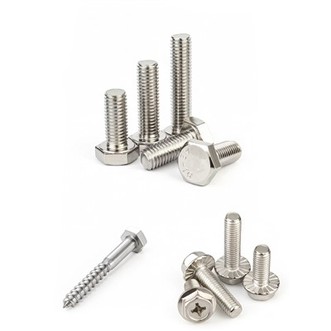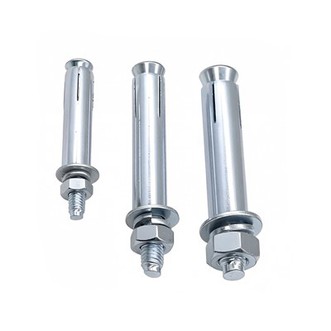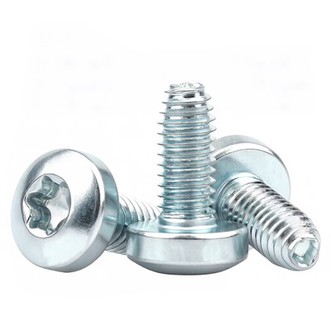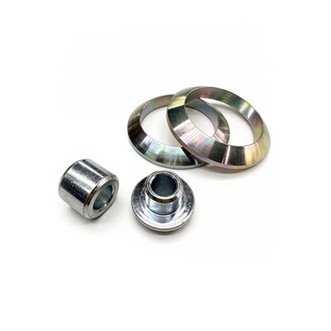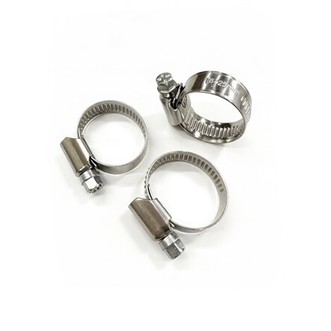

Although small in size, the spring washer plays a pivotal role in mechanical assembly. By generating a reactive force through elastic deformation, it effectively counteracts the loosening of bolts or nuts that may result from vibration. This design is particularly well-suited for applications requiring long-term connection stability, such as mechanical equipment and automotive components.
Anti-loosening Function: Maintains fastener stability through elastic pressure.
Cushioning Effect: Absorbs a portion of vibration energy.
Gap Compensation: Fills minute irregularities in contact surfaces.
Installation Tips for Spring Washers
Proper installation is essential to maximize the effectiveness of spring washers. Here are several practical tips:
Orientation: Typically, the split end should face the nut or bolt head.
Quantity: Generally, only one washer is required per connection point.
Surface Inspection: Ensure that the contact surfaces are clean and free of oil or grease.
Tightening Force: Tighten only until the washer is just compressed flat.
Common Issues and Solutions
The following issues may arise when using spring washers:
Premature Failure: May be caused by material fatigue or overloading.
Poor Anti-loosening Performance: Check to ensure the washer was installed in the correct orientation.
Excessive Deformation: Verify that the appropriate washer size and specification were used.
Corrosion Issues: Select a washer material suitable for the specific operating environment.