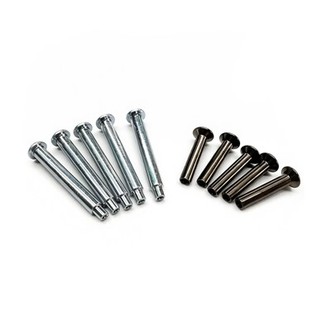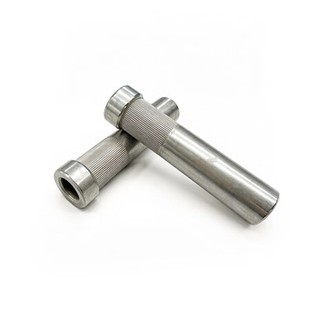

Hardware fittings are akin to the "universal building blocks" of the industrial world; functionally, they can be categorized into three main groups:
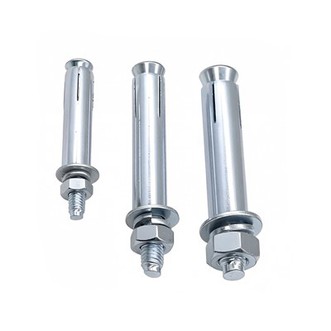
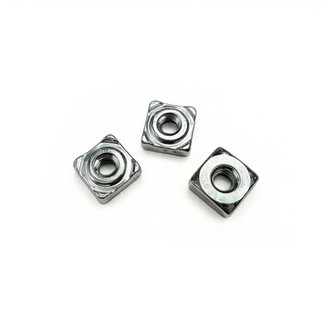
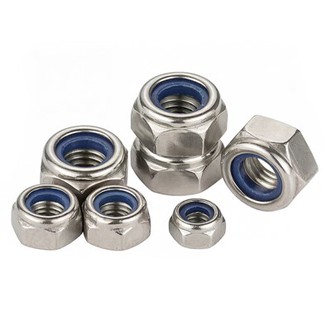
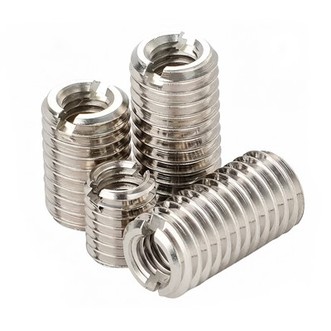
Components: Screws, nuts, rivets, etc.-responsible for fastening different parts together.
Structural Components: Hinges, drawer slides, pivots, etc.-enabling the movement and operation of doors, windows, and cabinetry.
Decorative Components: Handles, latches, etc.-balancing both functionality and aesthetic appeal.
Interestingly, a single M6 screw can withstand a tensile force of approximately 500 kilograms-equivalent to the weight of three pianos.
How to Select the Right Hardware Fittings
When purchasing hardware fittings, consider three key dimensions:
Material Suitability:
Choose '304 stainless steel' for humid environments.
Opt for 'zinc alloy' for load-bearing components.
Select 'brass' for high-temperature applications.
Precision Testing:
Ensure drawer slides remain smooth after 500 cycles of extension and retraction.
Verify that hinges open and close without sticking or making clicking sounds.
Check that screw threads are clearly defined and free of burrs.
Compatibility Check:
Measure the dimensions of existing mounting holes.
Confirm the available installation space and material thickness.
Verify that load-bearing capacity parameters meet your requirements.
Maintenance Tips to Extend Service Life
Adopting these simple habits can extend the lifespan of your hardware fittings by up to five years:
Wipe away surface dust with a dry cloth every month.
Apply 1–2 drops of lubricating oil to drawer slides every quarter.
Immediately tighten any screws found to be loose.
Avoid using acidic cleaning agents, which can corrode surfaces.
Inspect the structural integrity of components after any impact from heavy objects.